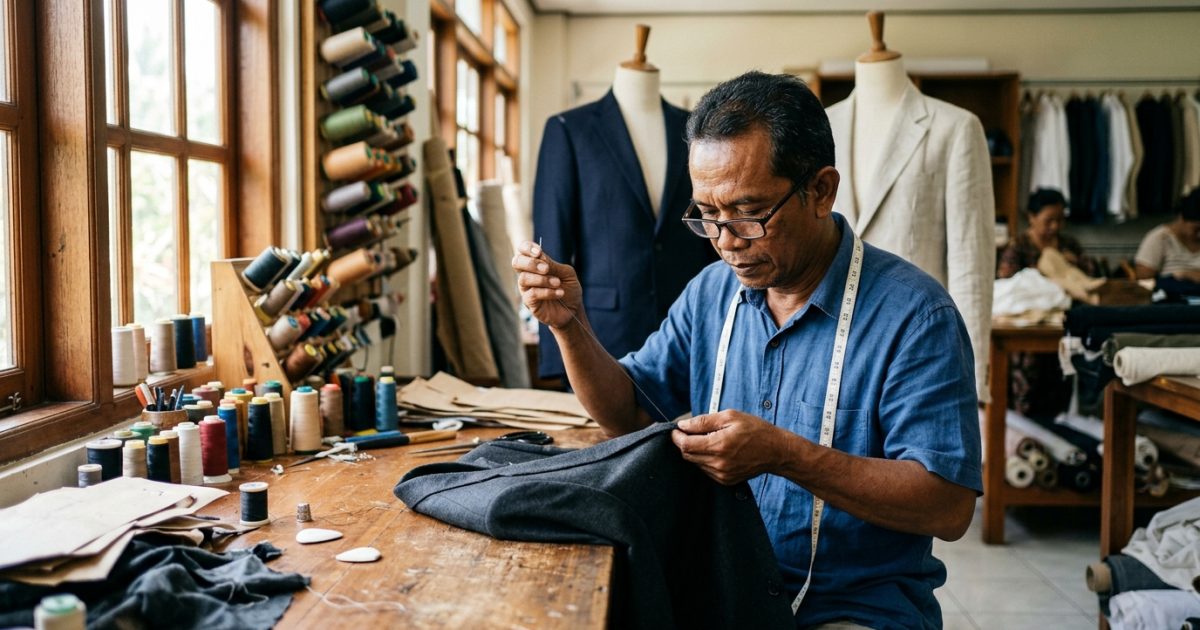
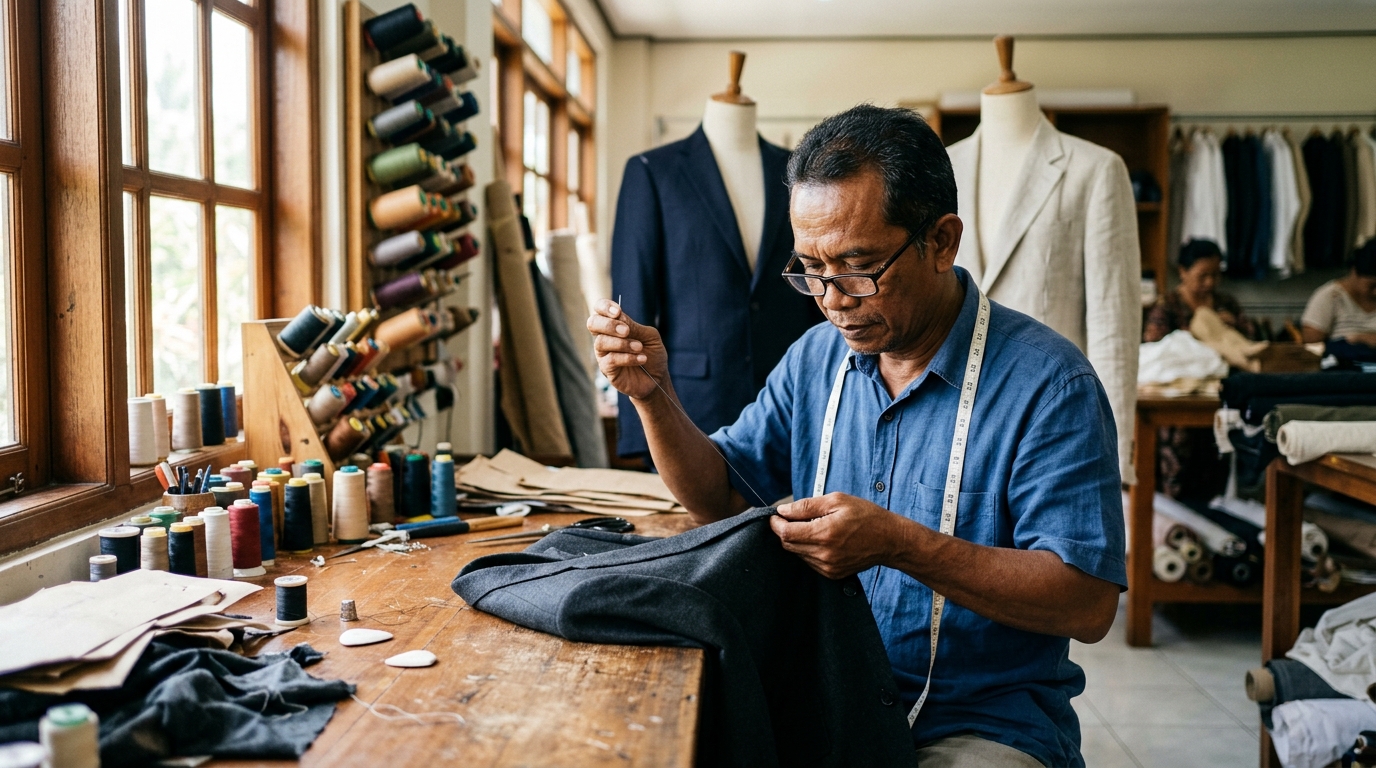
A tailor in Bali takes your measurements, selects or works with your chosen fabric, and constructs or alters garments to fit your body rather than a generic size chart. Choosing the wrong one can mean wasted money, missed deadlines, and clothing you cannot wear.
What to Look for in a Tailor in Bali
Licensing and Credentials
Bali does not have a formal licensing body for tailors, but reputable shops will have a registered Indonesian business identity (NIB or SIUP) displayed or available on request. Operating with a registered business is a basic indicator that the shop takes its trade seriously and has some accountability.
Insurance and Public Liability
Most small tailoring shops in Bali do not carry public liability insurance, so ask directly whether the business holds any cover for damage to client-supplied fabric or garments. If you are bringing expensive material from home, understanding this risk upfront helps you decide whether to supply fabric yourself or purchase locally with less financial exposure.
Experience and Specialisation
A tailor who spends most of their time making wedding gowns has a different skill set from one who produces suits or resort wear daily. Ask how many years the tailor has been working and what garment types they make most often, then match that to what you actually need.
Reviews and Word of Mouth
Google reviews, TripAdvisor listings, and expat Facebook groups such as “Bali Expats” are all practical sources of honest feedback on Bali tailors. Look for reviews that mention specific garment types and whether the finished item matched the agreed design, rather than general comments about friendliness.
Transparent Quoting
A clear quote should itemise labour, fabric cost (if supplied by the tailor), lining, buttons, and any alteration fees separately. Avoid any shop that gives only a verbal total without breaking down what is included, as costs can shift significantly between deposit and collection.
Warranty and Guarantees
Ask whether the tailor will fix seams, zips, or fit issues at no charge if you return within a set period after collection. A reasonable shop will offer at least one fitting adjustment included in the quoted price, and will put this agreement in writing or on a receipt.
Questions to Ask Before Hiring
- Can I see physical examples or photographs of garments you have made that are similar to what I want?
- How many fittings are included in the quoted price, and what happens if the fit still needs adjustment after the final fitting?
- What is your turnaround time, and do you have a track record of meeting deadlines for customers who are leaving Bali on a fixed date?
- Do you source fabric locally, and can I come with you to the fabric market or see samples before you purchase?
- Is the quoted price fixed, or can it change if the garment takes longer than expected to construct?
- Do you have a receipt or written order form that lists the design details, fabric, agreed price, and collection date?
- What is your policy if I am unhappy with the finished garment due to a construction error on your part?
Red Flags to Watch Out For
- Red flag: The tailor asks for full payment upfront before any work begins and will not provide a written receipt or order form.
- Red flag: Sample garments in the shop are poorly finished, with uneven stitching, puckered seams, or mismatched pattern pieces, regardless of how confident the tailor sounds.
- Red flag: The quoted turnaround time is unusually short (same day or next day for a full garment), which often means the work is rushed or subcontracted to an unskilled third party.
- Red flag: The tailor cannot show you the specific fabric they plan to use before cutting, or substitutes a cheaper material without telling you.
- Red flag: There are no reviews online and no previous customers the tailor can point you to, particularly for a shop that claims to have been operating for several years.

Frequently Asked Questions
How long does it take to find a good Tailor in Bali?
Allow two to three days of visiting shops, looking at samples, and collecting quotes before committing. If you are in Bali for a short trip, do this research in the first day or two so you have enough time for fittings and a final collection before you leave.
What’s the average cost of a Tailor in Bali?
Labour costs for a simple dress or shirt typically range from IDR 150,000 to IDR 400,000, while a structured suit or formal gown can run from IDR 600,000 to IDR 2,000,000 or more depending on complexity. Fabric is priced separately and varies widely based on material quality, with imported fabrics costing considerably more than locally sourced cotton or linen.
Do I need to get multiple quotes for Tailors in Bali?
Getting at least two or three quotes is sensible, particularly for a complex or expensive garment, as prices and included services vary considerably between shops even within the same area. Comparing quotes also gives you a clearer sense of what a fair price looks like and flags any shop quoting unusually low, which can indicate corner-cutting on fabric or construction quality.
Choosing a tailor in Bali comes down to verifiable experience with your garment type, a clear written quote that itemises every cost, a realistic timeline that fits your travel schedule, and a shop willing to stand behind its work with at least one included adjustment. Take time to inspect physical samples, read recent reviews from travellers and residents, and get all agreements on paper before handing over a deposit. For a shortlist of shops that meet these standards, see the Best Tailors in Bali (2026).