
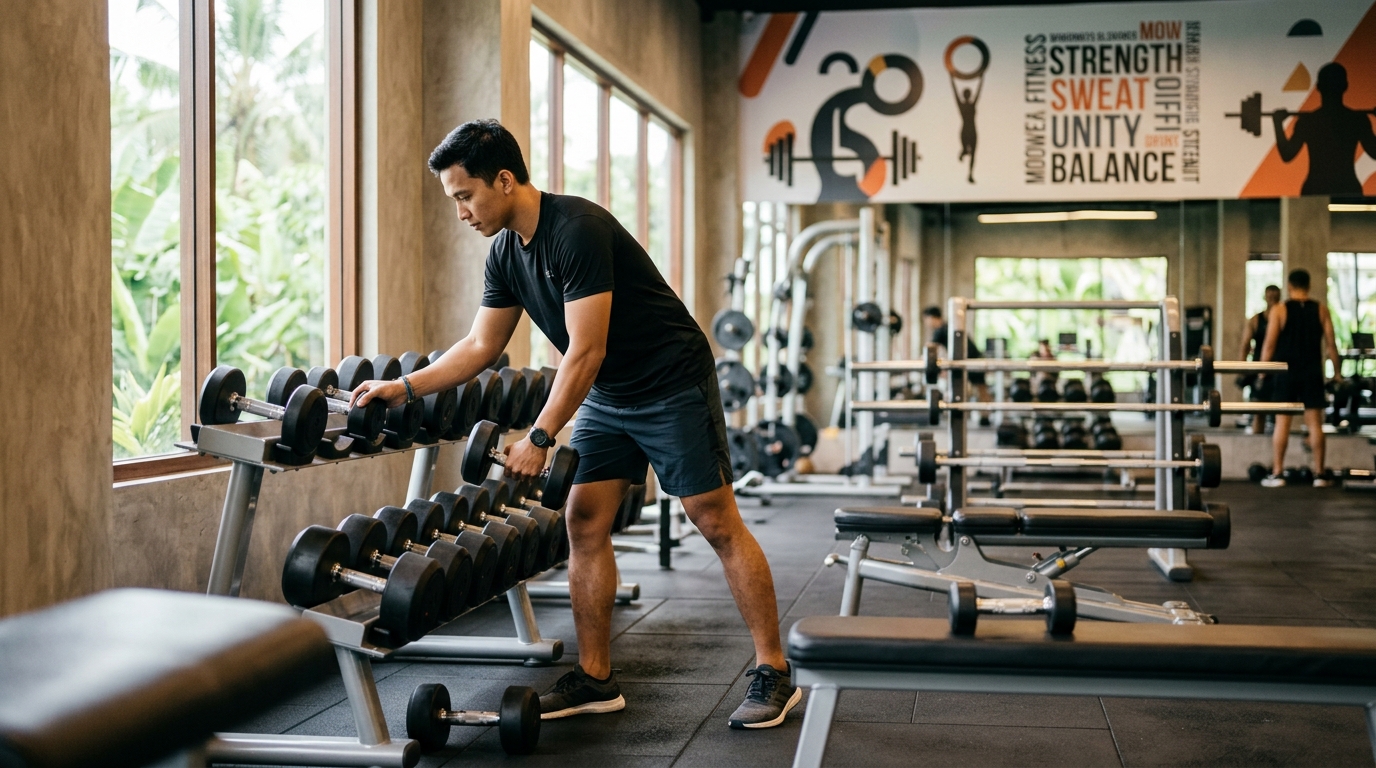
A gym gives you structured access to equipment, space, and often professional guidance to build fitness, recover from injury, or stay active while living or travelling in Bali. Choosing the wrong one wastes money, time, and motivation, particularly in a market where quality varies significantly between tourist-facing facilities and locally run training centres.
What to Look for in a Gym in Bali
Licensing and Credentials
A legitimate gym in Bali should hold a valid business licence (Surat Izin Usaha Perdagangan) and any relevant permits required by the local government in Badung or Denpasar. If the facility employs personal trainers, check that they hold recognised certifications such as ACE, NASM, or equivalent Indonesian qualifications.
Insurance and Public Liability
Gyms operating in Bali should carry public liability insurance to cover injuries on-site, though enforcement is less consistent here than in Australia or Singapore. Always ask directly whether the facility has coverage, and check whether your own travel or expat health insurance includes gym-related injuries.
Experience and Specialisation
Some gyms in Bali focus on general fitness, while others specialise in CrossFit, yoga integration, boxing, or rehabilitation. Choose a facility whose programming and equipment match your specific training goals rather than signing up for the one closest to your villa.
Reviews and Word of Mouth
Google Maps reviews, expat Facebook groups (such as Bali Expats or Seminyak Community), and platforms like bestinbali.co give a clearer picture of day-to-day experience than the gym’s own promotional material. Pay attention to comments about cleanliness, equipment maintenance, and how staff handle complaints.
Transparent Quoting
Reputable gyms quote membership fees, day passes, and personal training costs clearly, either on their website or at the front desk without pressure. Be cautious of facilities that push you to sign a long-term contract before showing you the full fee schedule.
Warranty and Guarantees
Some gyms offer a trial period, a money-back guarantee on unused membership days, or the ability to freeze your membership if you leave Bali unexpectedly. Get any such commitment in writing before paying, as verbal agreements are difficult to enforce.
Questions to Ask Before Joining
- What does the membership include, and are there additional fees for classes, lockers, or towels?
- Can I try the gym for a day or a week before committing to a monthly or annual fee?
- What are the opening hours, and do they change during Nyepi or Balinese public holidays?
- Is the air conditioning reliable, and how is ventilation managed during peak humidity months?
- Are personal trainers employed directly by the gym, and what certifications do they hold?
- What is your cancellation or membership-freeze policy if I leave Bali early?
- How often is the equipment serviced, and who do I contact if something is broken or unsafe?
Red Flags to Watch Out For
- Red flag: No clear pricing on display and staff who give different figures depending on how long you appear willing to negotiate.
- Red flag: Equipment that is visibly broken, rusted, or out of service with no timeline given for repair, which suggests poor ongoing maintenance.
- Red flag: Personal trainers who cannot produce a certification or who discourage you from asking about their qualifications.
- Red flag: A facility that requires full annual payment upfront with no written refund policy, particularly relevant for digital nomads or short-stay visitors.
- Red flag: Overwhelmingly positive reviews with no critical feedback and generic language, which can indicate fabricated or incentivised testimonials.

Frequently Asked Questions
How long does it take to find a good gym in Bali?
Most people settle on a gym within one to two weeks of arrival, after visiting two or three facilities and doing a trial session at each. Researching options online before you land saves time, especially if you have specific training requirements like powerlifting or physiotherapy-based exercise.
What’s the average cost of a gym in Bali?
Monthly memberships at mid-range gyms typically run between IDR 400,000 and IDR 1,200,000 (roughly USD 25 to USD 75) depending on the area and facilities. Premium gyms in Seminyak, Canggu, or Ubud with pools, saunas, or extensive class schedules can charge IDR 1,500,000 to IDR 3,000,000 per month. Day passes generally range from IDR 50,000 to IDR 150,000.
Do I need to get multiple quotes for gyms in Bali?
Visiting at least two or three gyms before committing is worthwhile, as pricing, equipment quality, and atmosphere vary considerably even within the same suburb. A quick trial session at each facility tells you far more than any website or brochure will.
Picking the right gym in Bali comes down to matching the facility’s specialisation and standards to your actual training needs, verifying credentials and insurance, reading honest reviews, and getting all fees and cancellation terms confirmed in writing before you pay. Take the time to trial a few options before committing. For a curated shortlist of verified facilities, see the Best Gyms in Bali (2026).