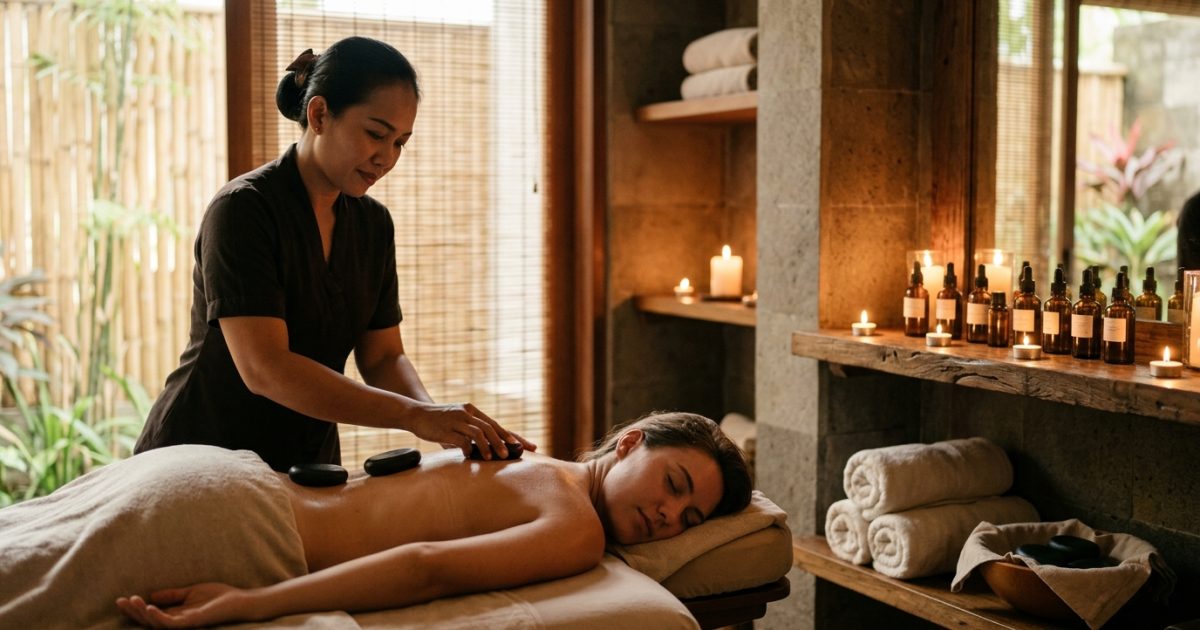
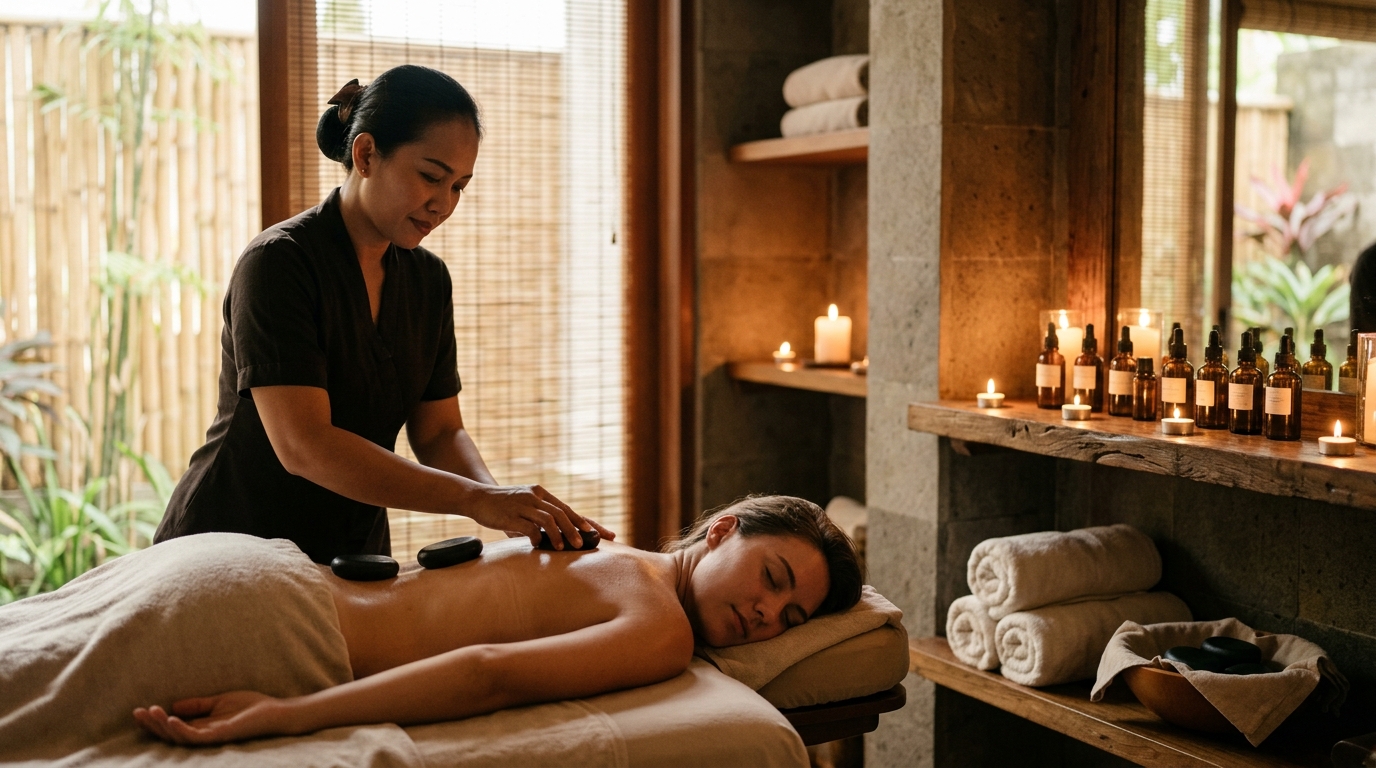
A good spa session restores tired muscles, reduces stress, and gives you a genuine sense of physical and mental reset after a day of travelling or activity. Choose the wrong provider and you risk a disappointing experience, poor hygiene standards, or pressure selling that turns a relaxing afternoon into a frustrating one.
What to Look for in a Spa in Bali
Licensing and Credentials
In Bali, legitimate spa businesses should hold a current operational permit (Surat Izin Usaha) issued by the local government, and therapists should have formal certification from a recognised Indonesian training institute. Ask to see these documents before booking, especially at smaller, independently run establishments.
Insurance and Public Liability
Reputable spas carry insurance that covers clients in the event of an allergic reaction, injury, or accident on the premises. If a spa cannot confirm this coverage when asked directly, that is a practical reason to look elsewhere.
Experience and Specialisation
Some spas focus on traditional Balinese massage and Jamu-based treatments, while others offer a broader menu including European techniques, hydrotherapy, or medical-grade facials. Match the spa’s core specialty to the kind of treatment you actually want rather than choosing based on décor alone.
Reviews and Word of Mouth
Check Google Reviews, TripAdvisor, and recent posts on travel forums for consistent patterns rather than isolated five-star ratings. Look specifically for comments about therapist skill, cleanliness, and how the staff handle complaints or booking issues.
Transparent Quoting
A trustworthy spa lists its prices clearly, either on a printed menu or on its website, with no ambiguity about what is included in each treatment. Be cautious of places that quote one price verbally and present a higher bill afterwards, or that add undisclosed fees for items like towels, shower use, or “service charges”.
Warranty and Guarantees
While spas do not offer warranties in the traditional sense, a quality provider will have a clear policy for addressing complaints, including offering a partial refund or a complimentary repeat treatment if a session falls short of what was promised. Ask about this policy before you pay.
Questions to Ask Before Hiring
- Are your therapists certified, and by which training institution or professional body?
- What is the full price for the treatment I want, including any service charge or tax (which in Bali can add 15–21% to the base price)?
- Do you use your own in-house products, and can I see the ingredient list if I have known skin sensitivities?
- How long has this spa been operating at this location, and is the ownership local or through a management group?
- What hygiene protocols do you follow between clients, particularly for shared facilities like steam rooms or pools?
- Is there a written policy for what happens if I am unhappy with the treatment?
- Can I request a specific therapist or specify the gender of my therapist in advance?
Red Flags to Watch Out For
- Red flag: Touts on the street or in tourist areas who offer steeply discounted spa packages and pressure you to commit on the spot without seeing the facility first.
- Red flag: A spa that cannot produce a printed treatment menu with prices, or where the quoted price changes between the reception desk and the checkout.
- Red flag: Visibly unclean linen, shared towels that show signs of reuse, or treatment rooms that smell of mildew, all of which point to poor hygiene standards throughout.
- Red flag: Therapists who begin a session without asking about health conditions, injuries, allergies, or your pressure preferences, which is a basic professional standard regardless of the treatment type.
- Red flag: No clear complaints process or a dismissive response when you raise a concern, which signals that client satisfaction is not a genuine priority.
Frequently Asked Questions
How long does it take to find a good Spa in Bali?
With research, most visitors identify two or three solid candidates within an hour of reading recent reviews on Google and TripAdvisor. Booking a short introductory treatment before committing to a full-day package is a practical way to assess quality without significant time or cost. Many regular visitors to Bali keep a shortlist of trusted spas they return to each trip.
What’s the average cost of a Spa in Bali?
A one-hour traditional Balinese massage at a mid-range spa typically costs between IDR 150,000 and IDR 350,000 (roughly USD 9 to USD 22). Luxury resort spas charge significantly more, often IDR 600,000 to IDR 1,500,000 or above for the same duration. Prices in tourist-heavy areas like Seminyak and Ubud tend to run 20–40% higher than those in quieter neighbourhoods.
Do I need to get multiple quotes for Spas in Bali?
For a single treatment, comparing prices across two or three spas is straightforward and worthwhile given the wide price variation across Bali. If you are booking a multi-treatment package, a spa day for a group, or regular sessions over a longer stay, getting written quotes from at least three providers gives you meaningful leverage and a clearer picture of what is standard. Price alone should not be the deciding factor since hygiene, therapist skill, and facility quality vary considerably at every price point.
Choosing a spa in Bali comes down to a few clear priorities: confirmed credentials, transparent pricing with no hidden taxes, strong and consistent reviews from recent visitors, and a facility that maintains visible hygiene standards throughout. Ask direct questions before booking, trust your first impression of the premises, and do not let price pressure or aggressive selling override those observations. For a curated list of vetted options, see the Best Spas in Bali (2026).