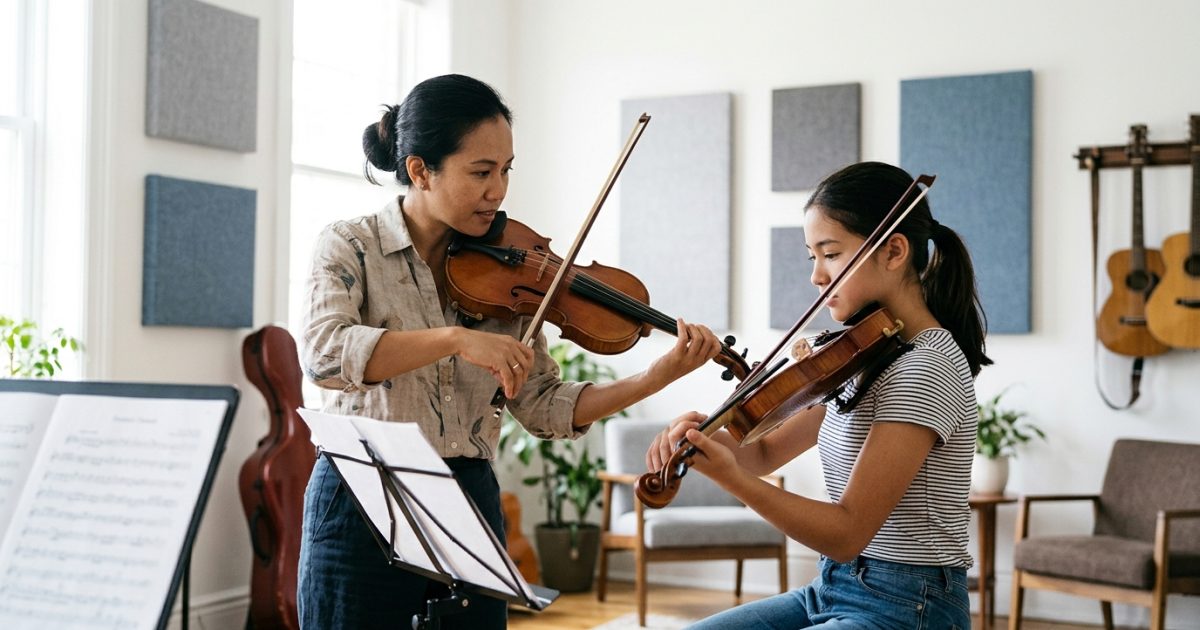
A music school teaches instruments, vocal technique, music theory, and performance skills to students of all ages and levels, often providing structured programmes alongside individual lessons. Picking the wrong school can mean wasted tuition fees, poor technique habits that take years to correct, and a student who loses interest before they ever get started.
What to Look for in a Music School in Bali
Licensing and Credentials
Reputable music schools in Bali should be registered as a legal business entity in Indonesia, whether as a PT (Perseroan Terbatas) or a smaller registered operation. Teachers should hold recognised music qualifications from accredited institutions, or carry verifiable performance and teaching credentials in their specific discipline.
Insurance and Public Liability
Any school operating a physical premises where students attend lessons should carry public liability insurance covering injuries on site. Ask to see documentation — a school that cannot produce it is taking risks that could fall on you as the client.
Experience and Specialisation
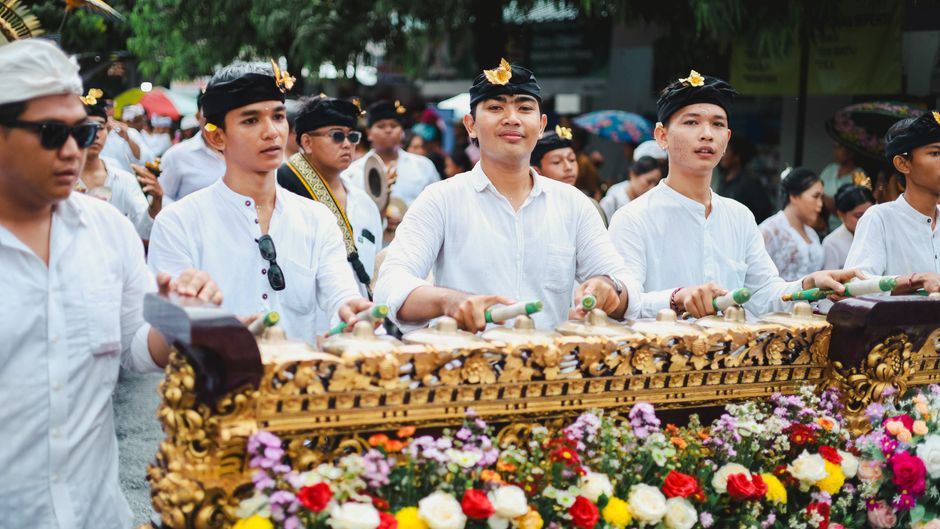
A school that has operated in Bali for five or more years will have worked through the practical realities of the local environment, from humidity effects on instruments to scheduling around Balinese ceremonies and holidays. Check whether the school specialises in the genre or instrument you want — a school built around traditional gamelan and world music will serve a different student than one focused on Western classical or contemporary pop production.
Reviews and Word of Mouth
Look for reviews on Google Maps, Facebook, and expat community forums such as the Bali Expats group, since these tend to reflect real, ongoing experiences rather than curated testimonials on a school’s own website. Ask other parents, musicians, or long-term residents in your area — personal referrals carry more weight in Bali’s close-knit expatriate and arts communities than star ratings alone.
Transparent Quoting
Tuition fees should be clearly stated per lesson, per month, or per term, with any registration fees, material costs, or exam fees disclosed upfront. Be cautious of schools that give vague pricing until you visit in person, as the full cost often ends up significantly higher than the advertised rate.
Warranty and Guarantees
While music education doesn’t carry a warranty in the traditional sense, reputable schools will offer a trial lesson or trial period so you can assess teacher compatibility before committing to a full term. Confirm the cancellation and refund policy in writing before paying any fees in advance.
Questions to Ask Before Hiring
- What qualifications do your teachers hold, and can I meet or observe my assigned teacher before committing?
- Do you offer a trial lesson, and what is the refund policy if we decide not to continue after the first month?
- How do you handle scheduling changes around Balinese public holidays and temple ceremonies?
- Are lessons conducted in English, Bahasa Indonesia, or both — and what happens if my child’s language needs aren’t met?
- Do you provide instruments for use during lessons, or is the student expected to bring or purchase their own?
- Is the school registered as a legal business in Indonesia, and do you have public liability insurance for the premises?
- What exam boards or external assessment pathways do you offer, such as ABRSM or Rockschool, and are those available to international students?
Red Flags to Watch Out For
- Red flag: The school cannot confirm whether teachers hold any formal qualifications and deflects the question with vague references to “years of experience.”
- Red flag: Fees are collected months in advance with no written refund policy, leaving you with no recourse if the school closes or a teacher leaves.
- Red flag: Teacher turnover is high and students are regularly reassigned without explanation, which disrupts progression and suggests poor management or low staff pay.
- Red flag: The school has no physical address or operates entirely from WhatsApp contact only, with no verifiable Indonesian business registration.
- Red flag: Online reviews mention consistent problems with lesson cancellations, last-minute reschedules, or unreturned messages — patterns that rarely improve once you enrol.
Frequently Asked Questions
How long does it take to find a good Music School in Bali?
Allow two to four weeks to research options, visit shortlisted schools, and complete a trial lesson before making a final decision. Rushing this process often leads to paying a full term’s fees upfront only to discover the teaching style or environment isn’t the right fit.
What’s the average cost of a Music School in Bali?
Private lessons at established schools typically range from IDR 200,000 to IDR 500,000 per hour (roughly USD 12 to USD 30), depending on the teacher’s experience and the instrument. Group classes can be lower, around IDR 100,000 to IDR 200,000 per session. International-facing schools targeting expat families may charge at the higher end of this range or price in USD.
Do I need to get multiple quotes for Music Schools in Bali?
Comparing at least two or three schools gives you a clearer sense of what’s reasonable to pay and what’s included in the fee. It also lets you weigh differences in teacher credentials, class sizes, and facilities before committing.
The strongest decision comes down to verified teacher credentials, clear and written fee structures, a school that can demonstrate legal registration in Indonesia, and positive word of mouth from current or recent students. A trial lesson before committing to a full term is a reasonable request at any reputable school and worth insisting on. For a curated list of top options, see the Best Music Schools in Bali (2026).