Quick price summary: Tilers in Bali (2026)
- Low end: USD $20 – $45 per sqm
- Mid-range: USD $45 – $80 per sqm
- High end / enterprise: USD $80 – $150+ per sqm
Prices in USD. Last updated 2026.
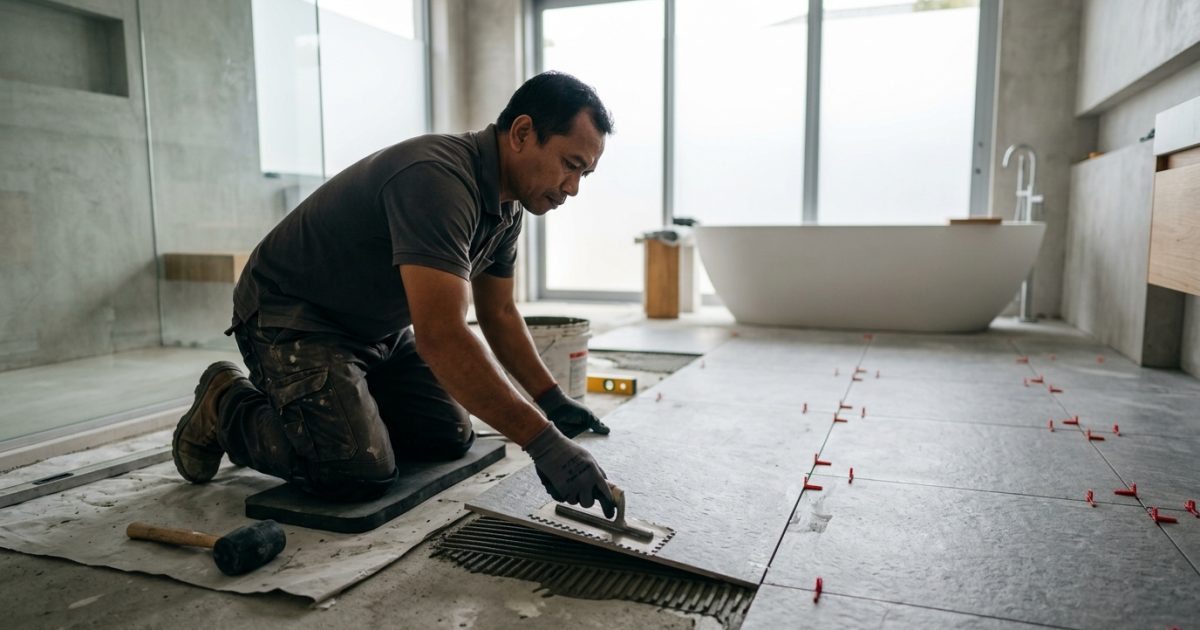
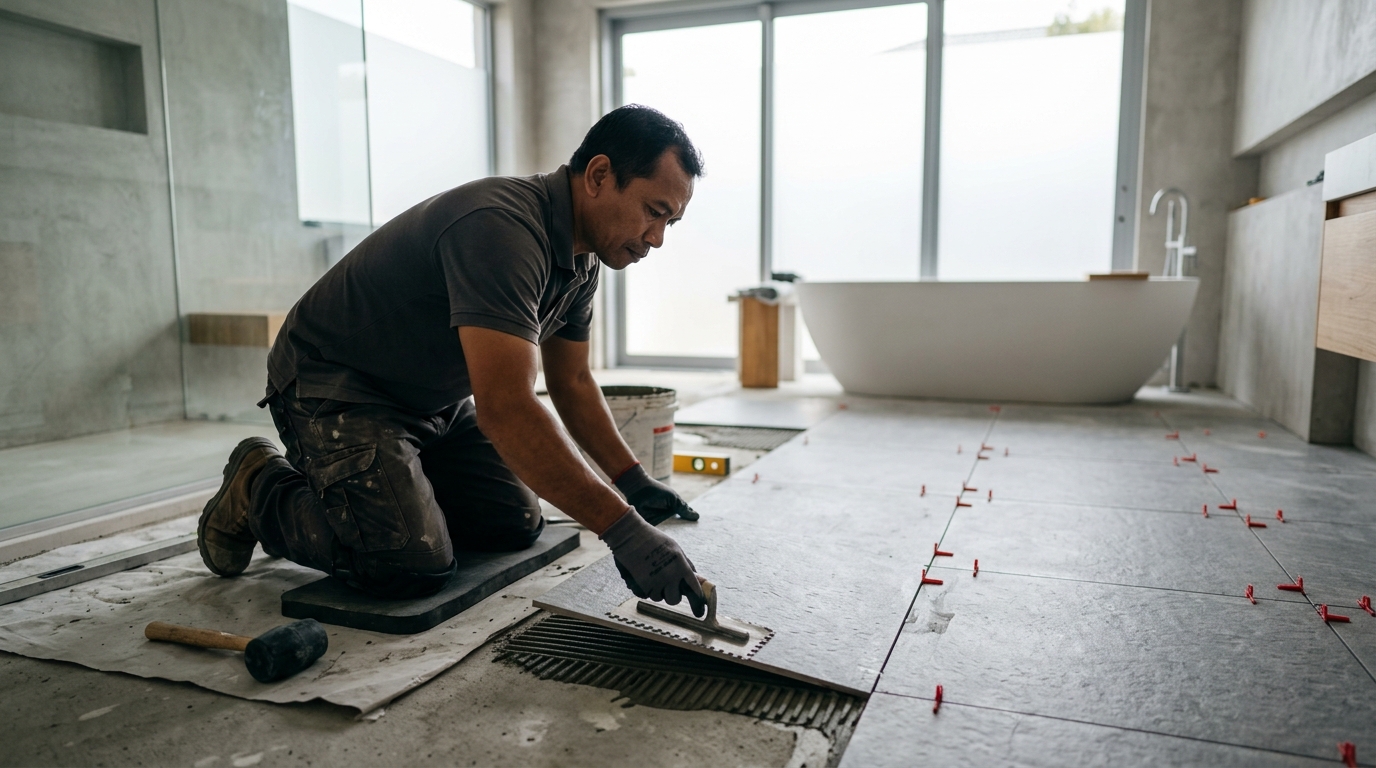
Tiling work in Bali covers a broad scope of jobs: bathroom floors and walls, outdoor terraces, kitchen splashbacks, pool surrounds, living room floors, and large-scale commercial fitouts. A tiler’s job goes well beyond placing tiles on a surface. It includes preparing the substrate, applying waterproof membranes in wet areas, cutting tiles to fit edges and corners, grouting joints between tiles, and sealing finished surfaces where required. The materials involved range from basic ceramic to natural stone, Indonesian marble, granite, and large-format porcelain, each with different installation requirements and different price points.
Costs vary considerably across Bali for several reasons. The type of tile, the complexity of the area being tiled, access to the site, the experience level of the tiler, and whether the project is residential or commercial all influence the final price. A straightforward ceramic floor tile installation in a single bathroom will cost significantly less per square metre than a natural stone finish on a curved outdoor surface. Understanding these variables before you request quotes puts you in a much stronger position.
What Do Tilers Cost in Bali?
Most tiling work in Bali is quoted on a per-square-metre basis, covering labour only. Materials are usually priced separately unless you negotiate a supply-and-install package. For basic ceramic tile installation on a flat, prepared floor or wall surface, expect to pay in the range of USD $20 to $45 per sqm for labour. Standard mid-range work, which includes more complex layouts, bathroom waterproofing, and tiles requiring careful cutting such as natural stone or large-format porcelain, typically falls between USD $45 and $80 per sqm. At the higher end, projects involving marble, exposed aggregate, intricate mosaic patterns, pool tiling, or multi-surface commercial areas run from USD $80 to $150 per sqm or more depending on site conditions and finish requirements.
It is worth noting that Bali has a wide pool of local tilers operating at varying skill levels. Day-rate pricing is also common, with experienced local tradies charging roughly USD $25 to $60 per day, though day rates rarely account for the full scope of prep work, waterproofing, and finishing that a good tile installation demands. Always confirm what is included before agreeing to a day rate on any project larger than a few square metres.
Price Breakdown by Service Level
| Service Level | What You Get | Typical Price Range | Best For |
|---|---|---|---|
| Basic | Ceramic tile installation on prepared flat surfaces, standard grout, no waterproofing included | USD $20 – $45 per sqm | Simple floor areas, dry rooms, budget renovations |
| Standard | Ceramic or porcelain tile installation, surface prep, waterproof membrane in wet areas, grouting and sealing | USD $45 – $80 per sqm | Bathrooms, kitchens, indoor-outdoor transitions |
| Premium | Natural stone, marble or large-format tile installation, full waterproofing, precision cutting, complex layouts | USD $80 – $120 per sqm | Luxury villas, master bathrooms, feature areas |
| Enterprise / Custom | Pool tiling, multi-room commercial projects, mosaic or bespoke patterns, full project management | USD $120 – $150+ per sqm | Hotels, resorts, commercial fitouts, large-scale pool areas |
What Affects the Cost of Tilers in Bali?
Tile material and size
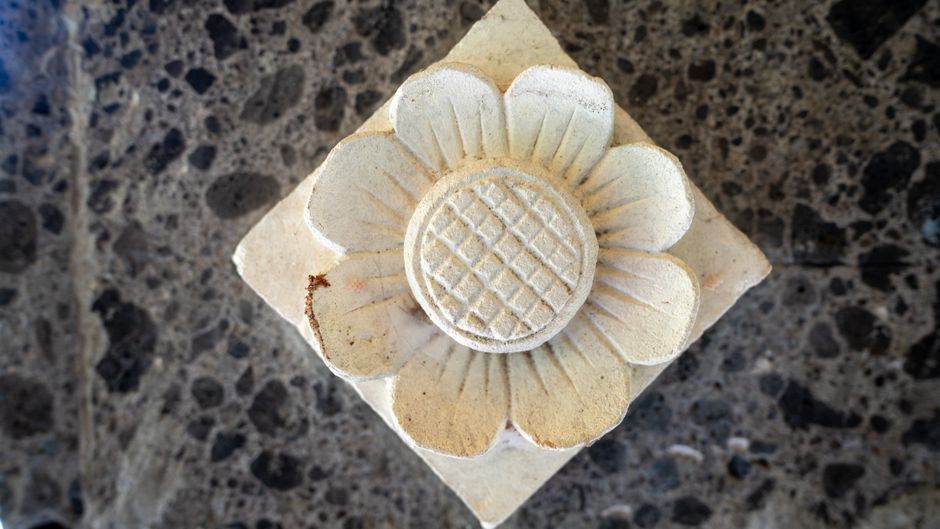
Ceramic tiles are the most affordable option and the easiest to cut and lay. Natural stone such as Indonesian marble, granite, and locally quarried paras stone requires more care during installation and increases both material and labour costs. Large-format tiles take longer to lay correctly because the surface beneath them must be especially well prepared, and any imperfections in the subbase become visible once the tiles are installed. Cutting large-format tiles also requires more time and generates more waste.
Waterproofing requirements
Bathrooms, laundry areas, outdoor surfaces, and any tiled area exposed to moisture must have a waterproof membrane installed beneath the tiles before laying begins. Skipping this step is one of the most common causes of tile failure in Bali’s humid climate, leading to moisture penetrating the subbase, mould growth, and tiles lifting within a few years. Installing a proper waterproof membrane adds to the project cost but is a non-negotiable step for any wet or outdoor area. Expect to add USD $8 to $18 per sqm for waterproofing materials and application.
Surface preparation
If the existing surface is uneven, damaged, or contaminated, it must be prepared properly before any tile goes down. This may involve grinding back a concrete slab, applying a self-levelling compound, or removing old tiles. Each of these steps takes time and adds cost. A surface that appears ready to tile can turn out to require significant preparation once a tiler inspects it closely, which is why a site visit before quoting is important.
Area complexity and access
A large, open floor area with straight runs is straightforward to tile and costs less per square metre than small, irregular spaces with multiple internal corners, steps, curved walls, or tight access. Outdoor terraces and pool surrounds often involve drainage gradients, which require careful planning of the tile layout and can make the job unnecessarily time-consuming if not managed by an experienced tiler. Areas with limited access for materials and equipment also take longer to complete.
Grout and joint specifications
The spacing between tiles, the type of grout used, and the finish required all affect the final cost. Epoxy grout, which is more moisture-resistant and longer-lasting than standard cement grout, costs more to purchase and apply. Very tight joints between tiles require more skill and time to grout cleanly. Exposed or feature grout lines in a contrasting colour add visual interest but take longer to apply without smearing the tile surface.
How to Get Accurate Quotes
- Measure the total area to be tiled in square metres before contacting any tiler. Include each room or surface separately and note which areas are wet areas or outdoor surfaces.
- Decide on the tile material before requesting quotes. Bring photos or samples if you have not yet purchased tiles, so the tiler can assess cutting difficulty and layout complexity.
- Request a site visit from any tiler before accepting a quote. A quote given without a visit cannot account for surface condition, access constraints, or waterproofing requirements, and it will often change once the tiler sees the job in person.
- Ask each tiler to break the quote into labour, waterproofing, surface preparation, grout and adhesive, and any other materials. A single lump-sum quote makes it difficult to compare providers or identify where costs are coming from.
- Get at least three quotes from different providers. Significant variation between quotes is common in Bali, and comparing itemised breakdowns helps you identify whether a low quote is genuinely good value or missing key steps such as waterproofing or proper surface prep.
Red Flags to Watch Out For
- A quote given without a site visit, especially for bathrooms or outdoor areas where surface and waterproofing conditions cannot be assessed remotely.
- No mention of waterproofing in a quote that includes bathrooms, wet rooms, or outdoor tiled areas. This is a serious gap that will cause problems within a few years.
- A price that is significantly below the market range with no clear explanation. Unusually low quotes often reflect skipped steps, poor-quality adhesive or grout, or labour from someone without meaningful experience on medium-difficulty projects.
- A tiler who cannot show completed work, particularly in similar tile types or area types to your project. Ask to see photos or, where possible, visit a finished job they have tiled.
- Pressure to start immediately without a written scope of work. Any job larger than a single small bathroom should have a written quote detailing what is included, the tile type being installed, and the timeline.
- Grout colour or joint width decisions being made on the day without your input. These are finish choices that affect the final appearance and should be confirmed with you before the tiler begins grouting.
Frequently Asked Questions
How much do tilers cost in Bali on average?
For most residential tiling jobs in Bali, the average cost falls between USD $45 and $80 per sqm for labour, covering standard ceramic or porcelain tile installation in bathrooms and floor areas with waterproofing included. Simple ceramic jobs on dry, already-prepared surfaces can come in under $45 per sqm, while natural stone, marble, or complex outdoor areas will push past $80 per sqm.
Why are some tilers prices so much cheaper?
Lower prices often reflect skipped steps rather than genuine efficiency. Common shortcuts include not installing a waterproof membrane beneath bathroom or outdoor tiles, using low-grade adhesive that fails in Bali’s humidity, applying grout too thinly between tiles, or not properly preparing the surface before laying. These shortcuts reduce labour time and material costs upfront, but the resulting tile installation will typically show problems, cracking, lifting, or moisture damage, within two to three years.
Is it worth paying more for tilers in Bali?
For any tiled area that handles moisture, heavy foot traffic, or requires a quality finish, yes. A properly installed tile floor or bathroom, with the surface correctly prepared, a waterproof membrane installed beneath the tiles in wet areas, and quality grout applied at the right joint width, will last ten to twenty years without issues. A cheap installation done without these steps may look fine for the first year and then require full removal and replacement, costing significantly more than the original saving.
Getting tiling right in Bali comes down to choosing a tiler who treats surface preparation and waterproofing as standard practice rather than optional extras, and confirming this in writing before work begins. Prices across the island range widely, but the mid-range bracket of USD $45 to $80 per sqm for labour covers the majority of quality residential jobs. Collect itemised quotes, insist on a site visit, and check examples of completed work before committing to any provider.