Quick price summary: Music Schools in Bali (2026)
- Low end: IDR 150,000 – 300,000 per lesson
- Mid-range: IDR 300,000 – 600,000 per lesson
- High end / enterprise: IDR 600,000 – 1,500,000+ per lesson
Prices in Indonesian Rupiah (IDR). Last updated 2026.
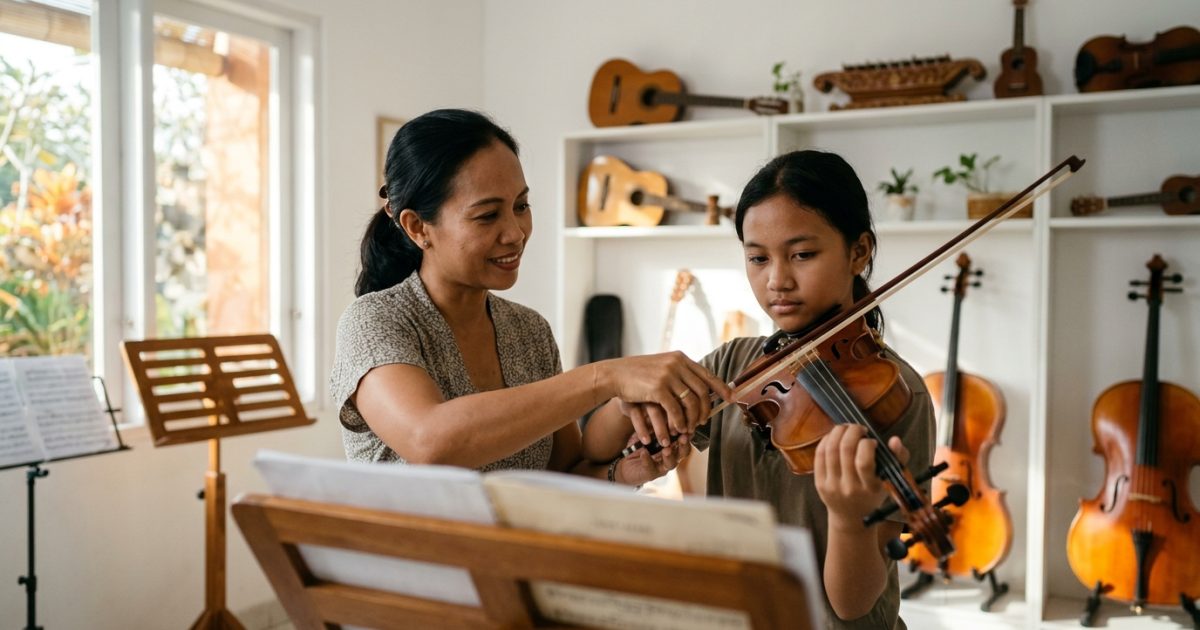
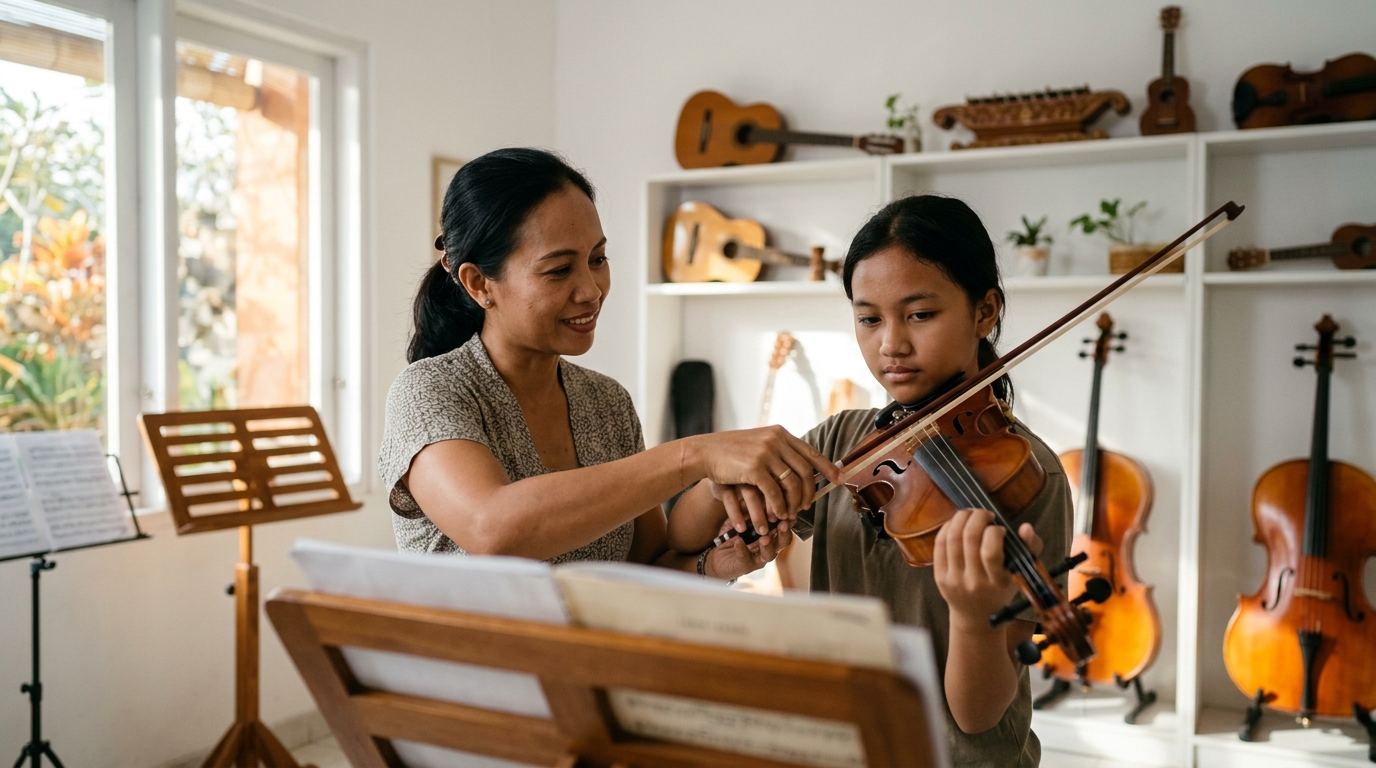
Music tuition in Bali covers a wide range of formats, from group classes at local community studios to one-on-one lessons with internationally trained instructors at private academies. Most music schools in Bali offer instruction in guitar, piano, drums, vocals, bass, and traditional Balinese instruments such as gamelan and suling. Some schools also run structured graded programmes aligned with international syllabuses like ABRSM or Rockschool, while others offer casual, interest-based learning with no formal examination pathway.
Costs vary considerably across Bali, and the gap between the cheapest and most expensive providers can be significant. Location plays a strong role, with schools in Seminyak, Canggu, and Ubud typically charging more than those in Denpasar or Singaraja. The instructor’s background, class size, lesson duration, and whether the school provides instruments or materials all affect what you’ll pay. Understanding these variables before you commit helps you find genuine value rather than just the lowest price.
What Do Music Schools Cost in Bali?
For a standard 60-minute private lesson, expect to pay anywhere from IDR 150,000 at a budget local studio to IDR 1,500,000 or more at a high-end academy with a foreign or formally trained instructor. Group classes typically run between IDR 100,000 and IDR 250,000 per person per session, depending on the school and group size. Monthly enrolment packages, which usually include four lessons per month, range from IDR 500,000 to IDR 2,500,000 depending on the instrument, lesson format, and school tier.
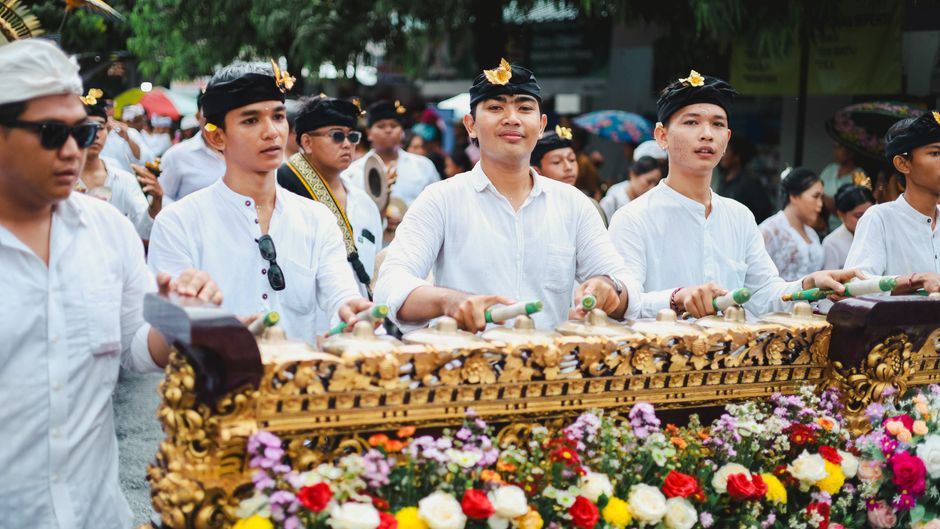
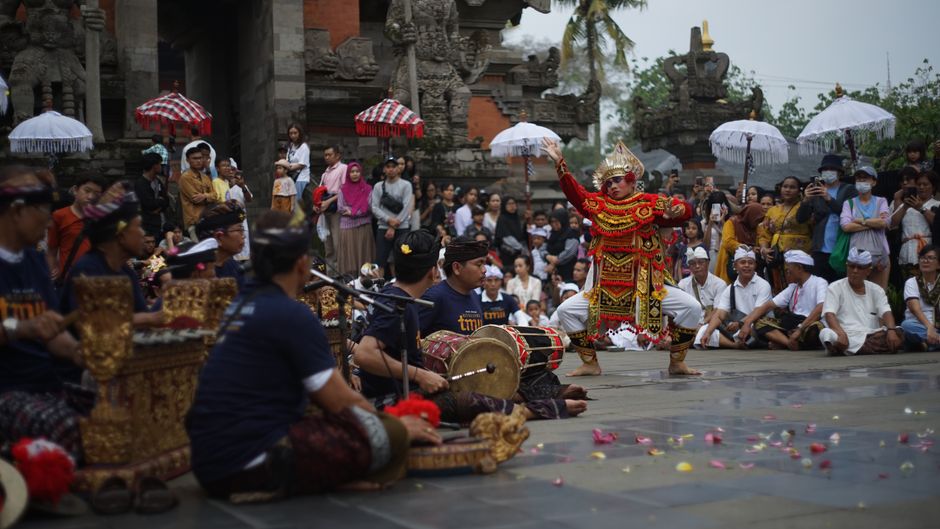
Short-term intensive courses or holiday programmes, which are popular with expats and tourists, tend to be priced per package rather than per lesson. These range from IDR 800,000 for a basic three-session intro course to IDR 4,000,000 or more for a week-long structured programme with materials included. Traditional Balinese music lessons, including gamelan ensemble classes, are often priced lower than Western instrument tuition, commonly falling in the IDR 100,000 to IDR 300,000 range per session.
Price Breakdown by Service Level
| Service Level | What You Get | Typical Price Range | Best For |
|---|---|---|---|
| Basic | Group classes, local instructor, basic facilities, no formal syllabus | IDR 100,000 – 300,000 per session | Beginners, casual learners, children’s intro classes |
| Standard | Private 60-min lesson, qualified local instructor, structured curriculum | IDR 300,000 – 600,000 per lesson | Serious learners, students working through graded exams |
| Premium | Private lesson with foreign or formally trained instructor, full materials, exam preparation | IDR 600,000 – 1,000,000 per lesson | Exam candidates, adults pursuing performance goals |
| High End / Custom | Bespoke programmes, internationally certified teachers, ensemble coaching, recording studio access | IDR 1,000,000 – 1,500,000+ per lesson | Advanced students, professional development, expat families |

What Affects the Cost of Music Schools in Bali?
Instructor qualifications and background
An instructor with a music degree, international teaching certification, or professional performance experience will charge significantly more than a self-taught local teacher. Foreign instructors or those trained abroad typically set rates 50 to 100 per cent higher than locally trained equivalents. This is not automatically a reflection of teaching quality, but formal qualifications do carry weight if you’re preparing for graded exams.
Lesson format and class size
Private one-on-one lessons cost considerably more than group classes. A group of four to six students sharing a session can each pay 40 to 60 per cent less than someone booking an individual slot. Semi-private lessons, typically two students per instructor, sit in between and are a practical option for siblings or friends learning together.
Location within Bali
Schools operating in tourist-heavy areas like Seminyak, Canggu, and central Ubud carry higher overheads and price their lessons accordingly. Studios in Denpasar’s residential suburbs or in northern Bali towns like Lovina often charge 20 to 40 per cent less for comparable instruction. Online lessons with Bali-based instructors are increasingly available and tend to fall at the lower end of the price range for that instructor’s tier.
Instrument type
Piano and orchestral string instruments tend to attract higher lesson fees than guitar or drums, partly because fewer qualified instructors are available. Balinese traditional instruments like gamelan, rindik, or suling are frequently the most affordable to learn, with community-based instruction sometimes available for as little as IDR 75,000 per group session. Vocal tuition sits mid-range, typically IDR 250,000 to IDR 700,000 per private session depending on the instructor.
Programme structure and materials
Schools that include exam registration fees, printed workbooks, or access to a practice room in their package price will charge more upfront but often represent better overall value. Schools that quote a low per-lesson rate but charge separately for materials, books, and recital participation can end up costing more over a semester. Always confirm what is included before comparing quotes.
How to Get Accurate Quotes
- Define your goals before reaching out. Knowing whether you want casual lessons, exam preparation, or performance coaching allows schools to give you a relevant quote rather than a generic one.
- Contact at least three schools directly and ask for a full fee schedule, not just a per-lesson rate. Request information on registration fees, material costs, and any monthly or annual charges.
- Ask about trial lessons. Many reputable schools in Bali offer a single trial session at a reduced rate, typically IDR 150,000 to IDR 300,000, before you commit to a package.
- Confirm the instructor’s qualifications and whether the same instructor will take your lessons consistently. Some schools advertise senior instructors but assign students to junior staff after enrolment.
- Ask how make-up lessons are handled for cancellations. Schools with no make-up policy can end up costing significantly more if your schedule is unpredictable.
Red Flags to Watch Out For
- No clear fee schedule available. Reputable schools publish their rates or provide them immediately on request. Vague pricing that requires multiple follow-ups is a warning sign.
- Instructors with no verifiable background. Ask for qualifications, years of teaching experience, or references. A school that cannot provide any of this information warrants caution.
- Packages requiring large upfront payment with no refund policy. Paying for a full term in advance without a clear written refund clause is a financial risk, particularly for newer or less established schools.
- High instructor turnover. If the school has difficulty retaining teachers, consistency of instruction suffers. Ask how long the current instructors have been on staff.
- No trial lesson option. Schools confident in their quality typically welcome prospective students to experience a session before committing. Those that refuse may have something to hide.
- Facilities that don’t match the price. If you’re paying premium rates, the practice rooms, instruments, and acoustic environment should reflect that. Poorly maintained instruments or inadequate soundproofing at higher price points is not acceptable.
Frequently Asked Questions
How much do music schools cost in Bali on average?
A standard private lesson at a reputable music school in Bali costs between IDR 300,000 and IDR 600,000 for a 60-minute session. Monthly packages for regular students typically range from IDR 1,000,000 to IDR 2,000,000, depending on lesson frequency and format. Group classes are cheaper, usually IDR 100,000 to IDR 250,000 per person per session.
Why are some music schools prices so much cheaper?
Lower prices usually reflect a combination of factors: instructors with less formal training, group rather than private format, basic facilities, or schools operating out of low-overhead community spaces. Cheaper does not necessarily mean poor quality, particularly for beginners or casual learners. The gap becomes more significant if you’re working towards formal qualifications or need structured, consistent instruction.
Is it worth paying more for music schools in Bali?
For students with clear goals such as passing ABRSM exams, preparing for performance, or developing professional skills, paying for a qualified instructor at an established school is worth the difference in price. For recreational learners or complete beginners exploring whether music suits them, starting at a mid-range school and upgrading if needed is a sensible approach. The most expensive school is not automatically the best fit for every student.
Music tuition in Bali offers genuine options across all budgets, from affordable community classes in traditional Balinese instruments to structured academies with internationally qualified teachers. Getting the right value means matching the school’s level of instruction to your actual goals, verifying what each package includes, and taking a trial lesson before committing to any long-term enrolment. Spending a bit of time comparing two or three schools before signing up will save you money and frustration in the long run.