Quick price summary: Gyms in Bali (2026)
- Low end: IDR 25,000–100,000 per day pass / IDR 300,000–600,000 per month
- Mid-range: IDR 600,000–1,500,000 per month (USD 37–93)
- High end / enterprise: IDR 1,500,000–3,500,000+ per month (USD 93–215+)
Prices in IDR and USD equivalents. Last updated 2026.
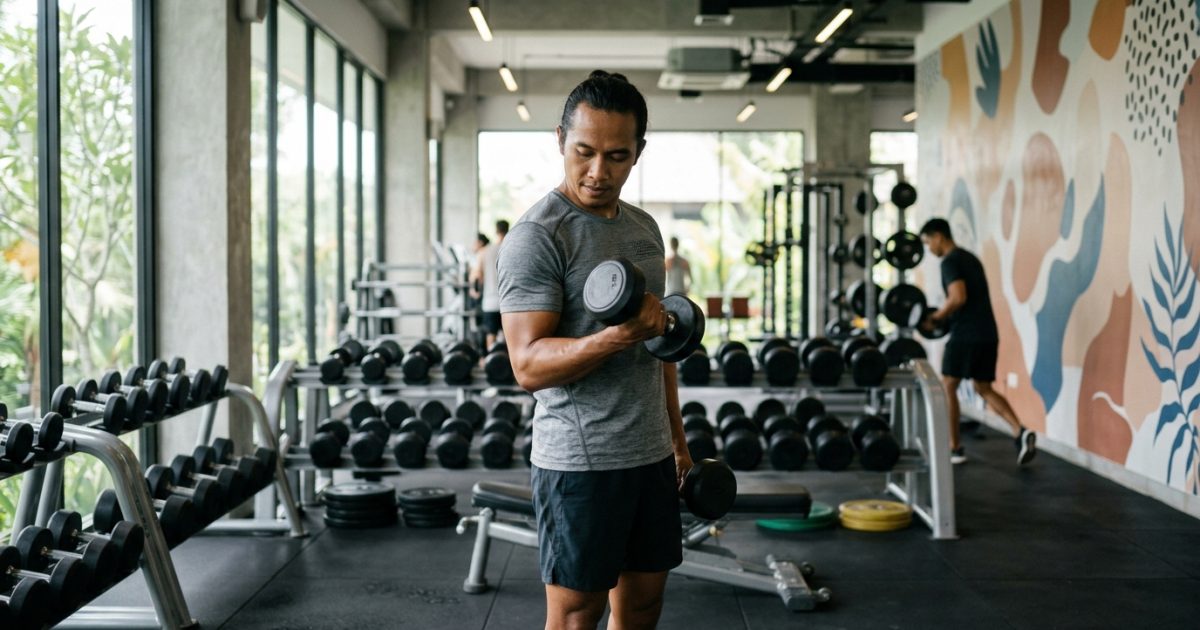
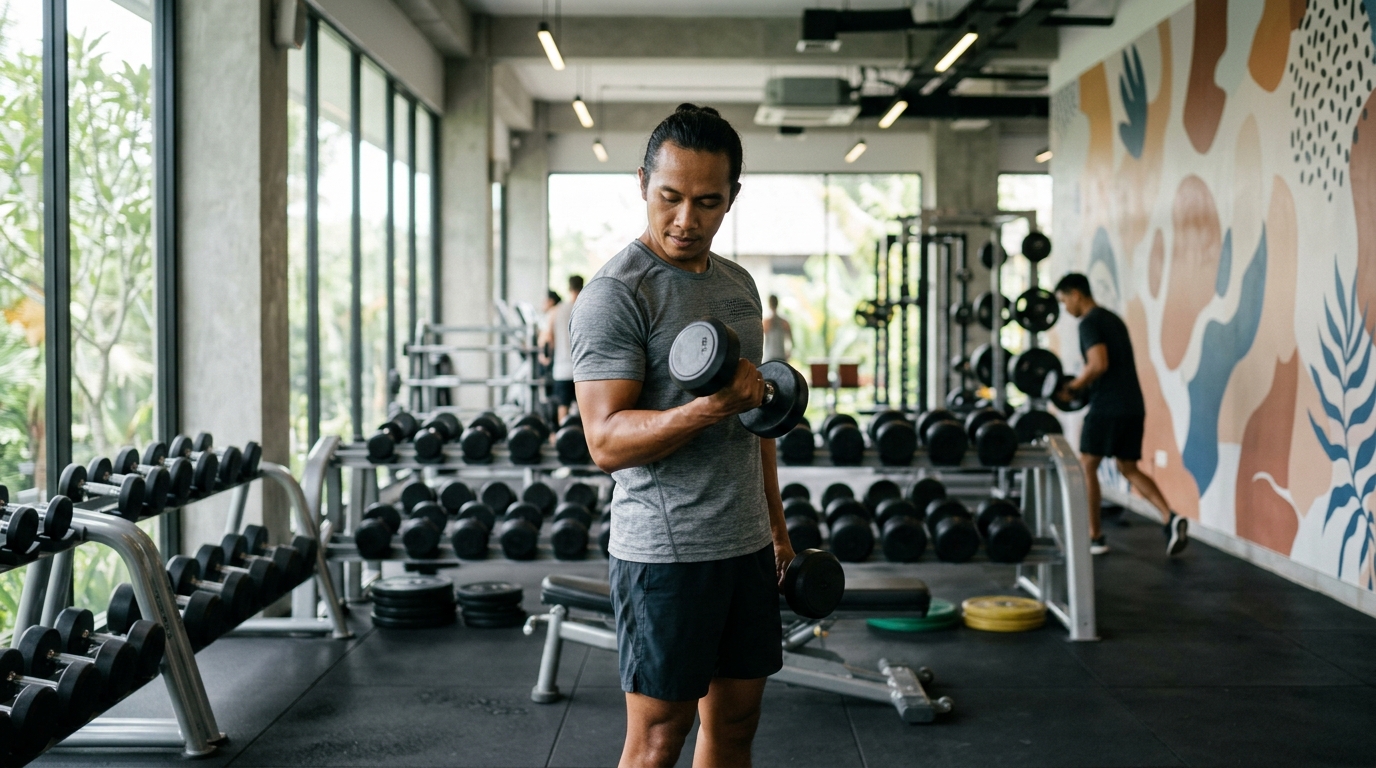
Bali’s gym scene has expanded well beyond basic weights rooms and treadmills. From budget-friendly local fitness clubs in Kuta to premium wellness facilities in Canggu and Uluwatu, the island now supports a full range of training environments suited to short-stay visitors, digital nomads, and long-term residents alike. Day passes, weekly plans, and monthly memberships are all widely available, and many gyms have added recovery amenities such as saunas, jacuzzis, cold water plunge pools, and in-house cafes serving protein snacks and supplements.
Gym costs in Bali vary significantly depending on location, facility size, equipment quality, class access, and the amenities included in a membership. A small local gym near the rice fields of Pererenan will price very differently from a spacious, air-conditioned facility on Jalan Pantai Berawa that attracts international fitness enthusiasts. Understanding what drives those differences will help you find a gym that fits your training style and your budget.

What Do Gyms Cost in Bali?
Day passes at local gyms typically start around IDR 25,000 to IDR 50,000 (roughly USD 1.50–3), though most mid-range gyms in Canggu, Seminyak, and Uluwatu charge IDR 80,000 to IDR 150,000 per session. Premium gyms with full amenity suites, functional training zones, and recovery facilities charge IDR 150,000 to IDR 300,000 or more for a single visit. Monthly memberships at well-equipped gyms in popular areas run IDR 800,000 to IDR 1,500,000 (USD 50–93), while elite facilities with personalised programming, Thai boxing classes, CrossFit access, and spa-level recovery amenities push into the IDR 2,000,000–3,500,000 range per month.
Short-term passes are widely available and represent good value for travellers staying two to four weeks. Several gyms, including Avenue Fitness Canggu, Fitness Plus Canggu, and Rai Fitness, offer weekly plans ranging from IDR 200,000 to IDR 500,000. Comparing on a per-visit basis, a monthly membership almost always works out cheaper for anyone training four or more times per week. Gyms around Ubud tend to be slightly cheaper than those in Canggu or Seminyak, though the range of equipment is often smaller.
Price Breakdown by Service Level
| Service Level | What You Get | Typical Price Range | Best For |
|---|---|---|---|
| Basic / Local | Free weights, dumbbells, basic cardio machines, squat racks, bench press station, minimal air conditioning | IDR 25,000–50,000 per day / IDR 300,000–600,000 per month (USD 18–37/month) | Budget-conscious locals and travellers wanting straightforward strength training |
| Standard / Mid-Range | Full free weights area, resistance machines, cardio equipment, functional training zone, air conditioning, basic amenities | IDR 80,000–150,000 per day / IDR 600,000–1,200,000 per month (USD 37–74/month) | Fitness enthusiasts staying one month or more, digital nomads, regular gym-goers |
| Premium | Specialised equipment including squat racks, cable machines, barbells, sauna, cold plunge or jacuzzi, group classes, cafe area with protein snacks and supplements, pool access at some locations | IDR 150,000–300,000 per day / IDR 1,200,000–2,500,000 per month (USD 74–155/month) | Serious athletes, bodybuilding-focused training, wellness-oriented members wanting recovery facilities |
| Elite / Full-Service | Highly specialised equipment, CrossFit or functional fitness programming, Thai boxing classes, personal training packages, full spa and recovery facilities, outdoor training areas, community events | IDR 2,000,000–3,500,000+ per month / USD 123–215+ per month | Performance-driven members, expats, those preparing for international competitions or events |

What Affects the Cost of Gyms in Bali?
Location within Bali
Gyms in Canggu, particularly along Jalan Pantai Berawa and the surrounding streets, command some of the highest prices on the island because of the concentration of international visitors and the competitive standard of facilities. Gyms in Uluwatu, Seminyak, and central Ubud sit at a similar price tier. Gyms in Kuta or quieter residential areas are often 30–50% cheaper for a comparable standard of equipment, simply because overhead costs and demand levels differ.
Equipment quality and range
A gym stocked with Life Fitness or Technogym cardio machines, multiple squat racks, dedicated bench press stations, functional training rigs, and a full range of dumbbells from 5kg to 60kg will charge more than a smaller gym with a limited selection of older machines. Gyms like Obsidian Gym, Body Factory Canggu, and Victory Fitness have built reputations partly on the quality and variety of their equipment, which is reflected in their membership pricing.
Amenities and recovery facilities
A sauna, jacuzzi, cold water plunge pool, or outdoor gym area adds meaningful cost to a membership. Nirvana Life Fitness Wellness Club, for example, incorporates wellness and recovery features that go beyond a standard gym environment, and its pricing reflects that. Gyms with a cafe area selling protein shakes, delicious post-workout snacks, and supplements on-site also tend to charge higher membership rates to cover those overhead costs.
Group classes and specialist programming
Access to CrossFit sessions, functional training classes, Thai boxing, or structured strength and conditioning programmes is usually priced separately or bundled into higher-tier memberships. Gyms like Wanderlust CrossFit Canggu and Elite Fit Bali operate on a class-based model where pricing is structured per session or through a monthly class pass, which can work out more expensive than a standard open-gym membership depending on training frequency.
Membership duration and flexibility
Day passes and weekly plans carry a significant price premium per visit compared to monthly memberships. Some gyms, including several in Canggu, offer flexible plans for stays of two or three weeks at rates between a weekly and monthly price. Committing to three or six months upfront at a gym like Bull Gym Canggu or Fitness Plus Canggu can reduce the monthly rate by 15–25% compared to rolling month-to-month pricing.
How to Get Accurate Quotes
- Visit the gym in person during a regular training hour to inspect the equipment, cleanliness, and how busy the space gets. Many Canggu gyms are packed during morning and late afternoon sessions, which affects the experience significantly.
- Ask specifically whether the quoted price includes group classes, recovery facilities such as the sauna or cold plunge, and access to any outdoor training areas. Some gyms list a base price and charge separately for these features.
- Request a day pass before committing to a monthly membership. Most gyms in Bali offer day passes for this purpose, and it is the most reliable way to assess whether a gym fits your training style.
- Check whether the gym offers discounts for longer commitments. A three-month or six-month membership at gyms like Wrong Gym in Pererenan or DFC Gym in Uluwatu typically works out cheaper per month than a rolling monthly plan.
- Confirm the gym’s opening hours and whether those hours apply on weekends and Balinese public holidays. Some smaller gyms reduce their hours significantly during local holidays, which affects the value of a monthly pass.
Red Flags to Watch Out For
- A gym quoting a monthly price significantly below the IDR 300,000 mark that also claims to offer full equipment, air conditioning, and recovery facilities. Equipment maintenance and utility costs in Bali mean that price is rarely sustainable without cutting corners somewhere.
- No visible price list displayed at reception or on a website. Gyms that require you to negotiate pricing on arrival often apply different rates to tourists and locals, and the tourist rate can be substantially inflated.
- Equipment that shows visible wear, rusted barbells, broken cable pulleys, or dumbbells missing from the rack without being replaced. This signals poor maintenance standards that will affect your training over time.
- No clear air conditioning or ventilation in a fully enclosed space. Training in Bali’s heat without adequate airflow is an entirely different experience from a well-ventilated gym, and is worth checking before signing a monthly agreement.
- Gyms that do not allow you a trial session or day pass before purchasing a monthly membership. A gym confident in its facilities will always allow a trial visit.
- Membership contracts with no refund or pause options. If you are staying in Bali for a set period, confirm whether unused days can be paused or refunded if you leave early, especially for longer-term commitments above one month.

Frequently Asked Questions
How much do gyms cost in Bali on average?
A mid-range gym membership in Bali costs between IDR 600,000 and IDR 1,500,000 per month (approximately USD 37–93) in 2026. Day passes at the same standard of gym typically run IDR 80,000 to IDR 150,000. Budget gyms start from around IDR 25,000 per day or IDR 300,000 per month, while premium and elite facilities with full recovery amenities, specialist classes, and high-end equipment can reach IDR 3,500,000 or more per month.
Why are some gyms prices so much cheaper?
Cheaper gyms in Bali are generally smaller, carry less equipment, operate with fewer staff, and are located away from high-traffic tourist areas such as central Canggu or the Seminyak strip. A local gym in a residential part of Kuta or a smaller setup near the rice fields will have lower rent and running costs, and can pass those savings on to members. The trade-off is usually a smaller free weights area, fewer machines, limited or no recovery facilities, and busier conditions during peak hours.
Is it worth paying more for gyms in Bali?
For most people training seriously, yes. Gyms in the IDR 1,000,000–2,000,000 per month range typically offer a meaningfully better training environment than budget options: more squat racks, a complete free weights section, functional training equipment, proper air conditioning, and often a sauna or recovery area. If you are in Bali for a month or more and training four or more times per week, the difference in daily cost between a basic gym and a well-equipped premium gym is often less than the price of one coffee. The environment a gym provides, how clean it is, how well it is maintained, and whether it has the equipment you need, affects your training consistency over a longer stay far more than the monthly price difference does.
Bali’s gym market in 2026 offers genuinely strong value across all price points, and the choice of facilities around areas like Canggu, Pererenan, Uluwatu, and Ubud means most people can find a gym that suits their training goals without compromising on the basics. Taking a day pass before committing, checking what is actually included in the membership price, and visiting during peak hours to assess crowding will put you in a much stronger position than booking based on price alone.
For a curated list of top-rated providers, see our guide: Best Gyms in Bali (2026).