Quick price summary: Dive Schools in Bali (2026)
- Low end: USD $250–$350 (budget group courses, basic equipment)
- Mid-range: USD $350–$550 (standard PADI courses, quality gear, small groups)
- High end / enterprise: USD $550–$800+ (private instruction, premium schools, liveaboard packages)
Prices in USD, the standard pricing currency for Bali dive schools. Last updated 2026.
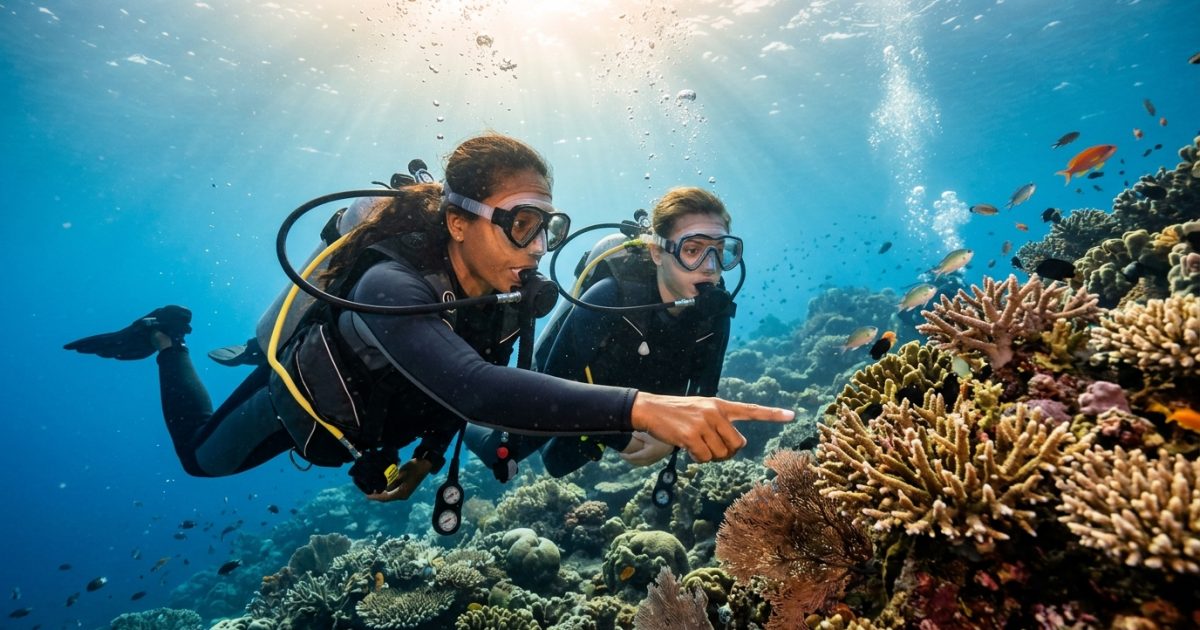
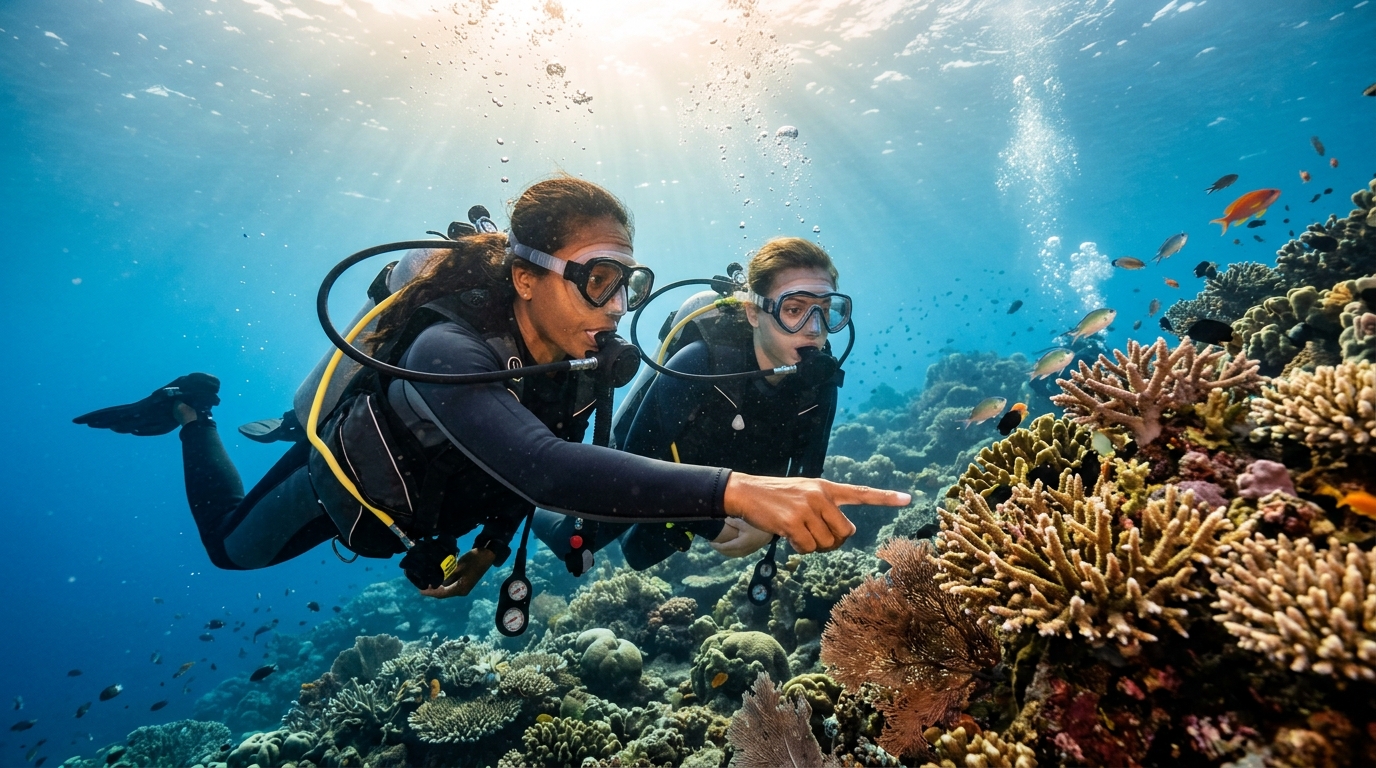
Bali has established itself as one of Southeast Asia’s most accessible and genuinely rewarding destinations for scuba diving. The island offers a wide range of dive schools catering to complete beginners, certified divers looking to build skills, and experienced underwater photographers chasing the biodiversity of Nusa Penida, Tulamben, Amed, and Pemuteran. Prices across these schools vary considerably, from budget operations running large groups through a PADI Open Water course in three days, to boutique schools with low student-to-instructor ratios and gear that’s actually well-maintained.
The cost variation is driven by several intersecting factors: the region of Bali where the school operates, the certification agency used (PADI being the most common), what’s included in the package (equipment rental, course materials, dive site transfers), and the quality and experience of the instructors on staff. Understanding what separates a $250 course from a $600 one is worth the time before you book, particularly given that scuba diving carries real physical risk when safety standards are cut to keep prices down.
What Do Dive Schools Cost in Bali?
A PADI Open Water course in Bali, the standard entry-level certification recognised worldwide, typically runs between USD $300 and $500 depending on the school and location. Budget dive schools in Sanur, Kuta, and parts of South Bali tend to sit at the lower end of that range, often marketing group courses at $250–$320 that include shared equipment and basic course materials. Schools in East Bali (Amed, Tulamben) and the Nusa Islands (Nusa Penida, Nusa Lembongan) generally price courses from $350 upwards, partly because transfer logistics and regional operating costs are higher, and partly because these areas attract a clientele that expects better quality.
Beyond the Open Water course, a PADI Advanced Open Water typically costs $300–$450, while speciality courses such as Rescue Diver or Divemaster training range from $400 for a short speciality through to $800 or more for full Divemaster programmes. Discover Scuba Diving introductory experiences for non-certified divers are widely available from $50–$90, making Bali one of the most affordable places in the world to try scuba for the first time. Fun dives for already certified divers usually run $35–$65 per dive, often cheaper when booked as a package of three to five dives.
Price Breakdown by Service Level

| Service Level | What You Get | Typical Price Range (USD) | Best For |
|---|---|---|---|
| Budget | Group PADI Open Water course, shared or ageing rental gear, basic materials, minimal one-on-one instruction time | $250–$330 | Travellers on tight budgets who already have some swimming confidence and want basic certification quickly |
| Standard | PADI Open Water or Advanced course, well-maintained equipment rental included, course materials, small groups (4–6 students), experienced instructor, dive site transfers | $330–$500 | Most first-time divers and those continuing to Advanced certification who want a quality learning experience without premium pricing |
| Premium | Private or semi-private instruction, high-quality gear (often Mares or Scubapro), eLearning materials, underwater photography assistance, courses at top sites including Nusa Penida or Tulamben | $500–$650 | Divers who want personalised instruction, photographers, those with specific site requests or scheduling requirements |
| Divemaster / Professional Training | Full Divemaster or instructor development programmes, accommodation sometimes included, extended duration (2–8 weeks), mentored dive leadership experience across multiple Bali sites | $700–$1,500+ | Certified divers pursuing professional underwater careers or extended stays focused on skill development |
What Affects the Cost of Dive Schools in Bali?
Location within Bali
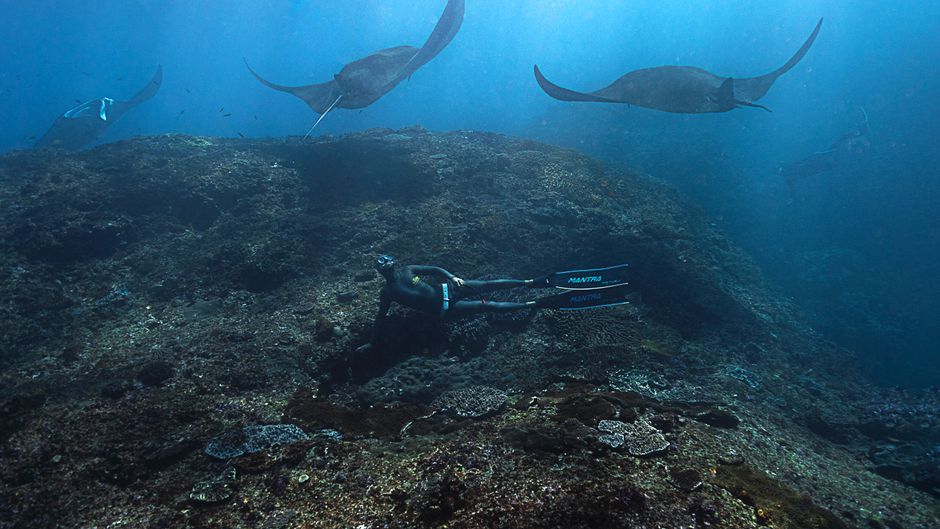
South Bali schools based in Sanur, Seminyak, and Kuta have lower overheads but face higher competition, which drives prices down. Schools operating out of Amed, Tulamben, Pemuteran, and the Nusa Islands price higher because transfer costs to premium dive sites are built into the package, and these areas attract divers who are specifically seeking richer biodiversity and more experienced operators. A course at a Nusa Penida school might cost $80–$150 more than an equivalent qualification in Sanur, but the dive sites themselves are significantly more impressive.
Student-to-Instructor Ratio
PADI guidelines recommend a maximum of eight Open Water students per instructor, but the practical quality difference between a four-student group and an eight-student group is substantial. Budget schools frequently run at or near the maximum, while mid-range and premium schools cap groups at four to six students, or offer private instruction entirely. Schools with lower ratios charge more, and for good reason: you get more in-water correction, more time to practise skills, and a safer learning environment.
Equipment Quality and What’s Included
Equipment rental is often listed as “included” in a course price, but the age and condition of that gear varies widely. Budget schools may include worn BCDs and regulators that are technically functional but not comfortable or reliable. Mid-range and premium schools typically invest in well-maintained, regularly serviced gear. Check whether the course price covers all equipment (wetsuit, BCD, regulator, mask, fins, tank, weights), course materials or eLearning access, and dive site entry fees. Some budget operators list a low headline price and add equipment rental, materials, and transfers as extras that can push the total $80–$120 higher than advertised.
Certification Agency
PADI is the dominant agency in Bali, and its Open Water certification is recognised globally. SSI (Scuba Schools International) is a credible alternative offered by some schools, often at slightly lower prices due to reduced agency fees. CMAS and SDI certifications also appear occasionally. The quality of the certification itself is less important than the quality of instruction, but PADI remains the most recognised option if you plan to dive anywhere else in the world.
Instructor Experience and School Reputation
A school staffed by career instructors with thousands of logged dives and multi-year Bali experience charges more than one relying on newly qualified instructors doing their first professional postings. Reputable schools with strong reviews on Google and TripAdvisor tend to price in the $380–$550 range for Open Water, reflecting the cost of retaining good staff. The biodiversity and visibility of Bali’s dive sites are genuinely world-class in certain areas, and an experienced instructor who knows those sites adds real value to the experience.
How to Get Accurate Quotes
- Contact at least three schools via WhatsApp or email (both are widely used by Bali dive schools) and ask for a fully itemised quote that lists what is and is not included: equipment, materials, transfers, dive site fees, and accommodation if relevant.
- Specify your current certification level, your intended course, your preferred dates, and whether you want private or group instruction. Vague enquiries get vague quotes.
- Ask about the student-to-instructor ratio for your course, and the experience level of the instructor you’d be assigned. Schools that can’t answer this clearly are worth treating with caution.
- Check recent Google and TripAdvisor reviews specifically for the course type you’re booking. Reviews for fun dives don’t tell you much about the quality of Open Water instruction.
- Confirm the total cost in writing before paying any deposit, and clarify the cancellation and rescheduling policy, since weather and conditions in Bali can require changes to planned dive trips.
Red Flags to Watch Out For

- A quoted price well below $250 for a full PADI Open Water course should prompt serious questions. That price point usually means corners are being cut on equipment maintenance, instructor qualifications, or the number of actual dives included.
- Schools that won’t disclose their student-to-instructor ratio or deflect when asked about instructor certifications and experience are a concern.
- Heavily promoted “discount” courses where the advertised price is a stripped-back version with equipment rental, materials, and transfers listed as optional extras at checkout.
- No clear physical address or permanent shopfront. Some operators in tourist areas are informal setups with no fixed base, making it difficult to raise issues or seek refunds if something goes wrong.
- Pressure to pay a large deposit immediately before you’ve received a written confirmation of what’s included. Reputable schools are accustomed to enquiries and will give you time to review the details.
- Equipment that looks visibly worn, regulators that haven’t been recently serviced, or BCDs with straps or buckles in poor condition. You are entitled to check gear before entering the water.
Frequently Asked Questions
How much do dive schools cost in Bali on average?
A PADI Open Water course at a reputable mid-range school in Bali costs between USD $350 and $500 in 2026, with all equipment, materials, and dive site transfers included. Budget group courses start around $250–$300. Advanced Open Water runs $300–$450, and Divemaster training programmes start at roughly $700 and scale upward depending on duration and what’s included.
Why are some dive schools prices so much cheaper?
Lower prices usually reflect one or more of the following: larger student groups with less individual instructor time, older or less well-maintained equipment, less experienced instructors, fewer dives included in the course, or a headline price that excludes gear, materials, or transfers. Some budget schools do deliver adequate instruction at lower prices, but the gap between a $270 course and a $430 course in Bali is rarely just marketing.
Is it worth paying more for dive schools in Bali?
For most people, yes. The difference between a $300 course and a $480 course in Bali is typically the difference between a crowded group with basic gear and a small group with quality equipment, a more experienced instructor, and dives at better sites. Given that you’re learning a skill that you’ll use in open water for the rest of your life, the extra $150–$180 for better instruction has long-term practical value. If budget is genuinely tight, a reputable mid-range school at the lower end of the $330–$400 range is a reasonable compromise.
Bali remains one of the best-value places in the world to learn to dive or extend your underwater qualifications, with a combination of biodiversity, year-round warm water, and a well-established dive industry that suits every budget. The key is looking past headline prices and assessing what each school actually delivers for the money: instructor experience, equipment condition, group size, and which dive sites are included. Spending an extra thirty minutes comparing detailed quotes before you book will reliably produce a better experience than picking the cheapest option on the page.
For a curated list of top-rated providers, see our guide: Best Dive Schools in Bali (2026).