Quick price summary: Dance Studios in Bali (2026)
- Low end: USD $8–$12 per drop-in class
- Mid-range: USD $76–$145 for 10–20 class cards
- High end / enterprise: USD $145–$215+ for 20–30 class cards, private tuition, or intensive programmes
Prices in USD (widely used in Bali for tourism services). Last updated 2026.
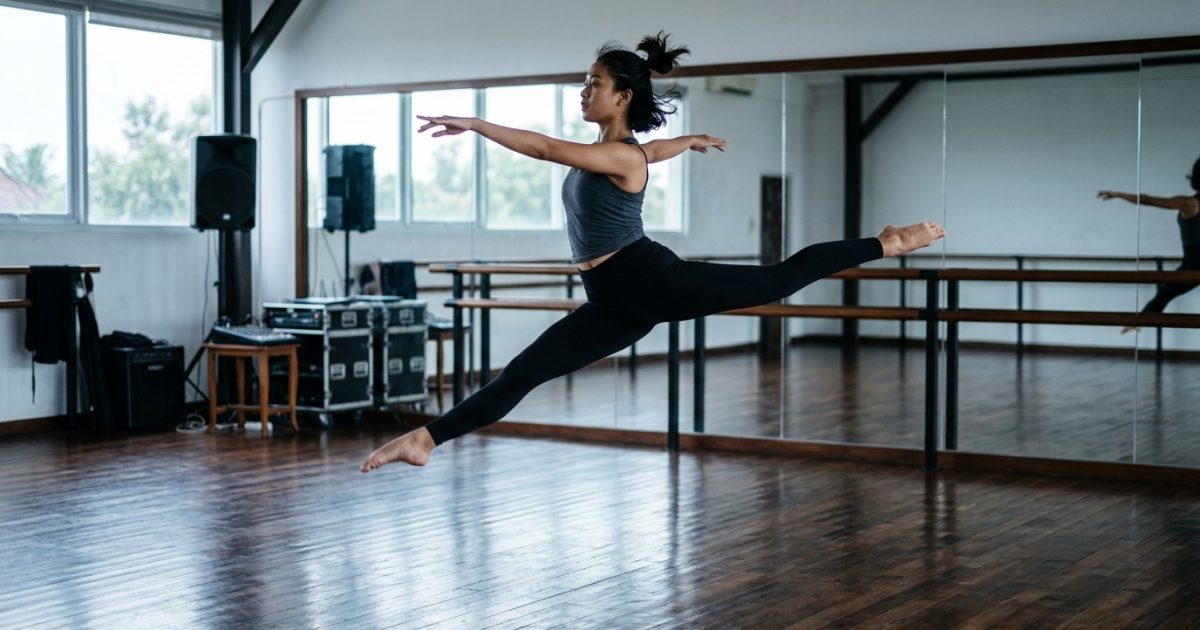
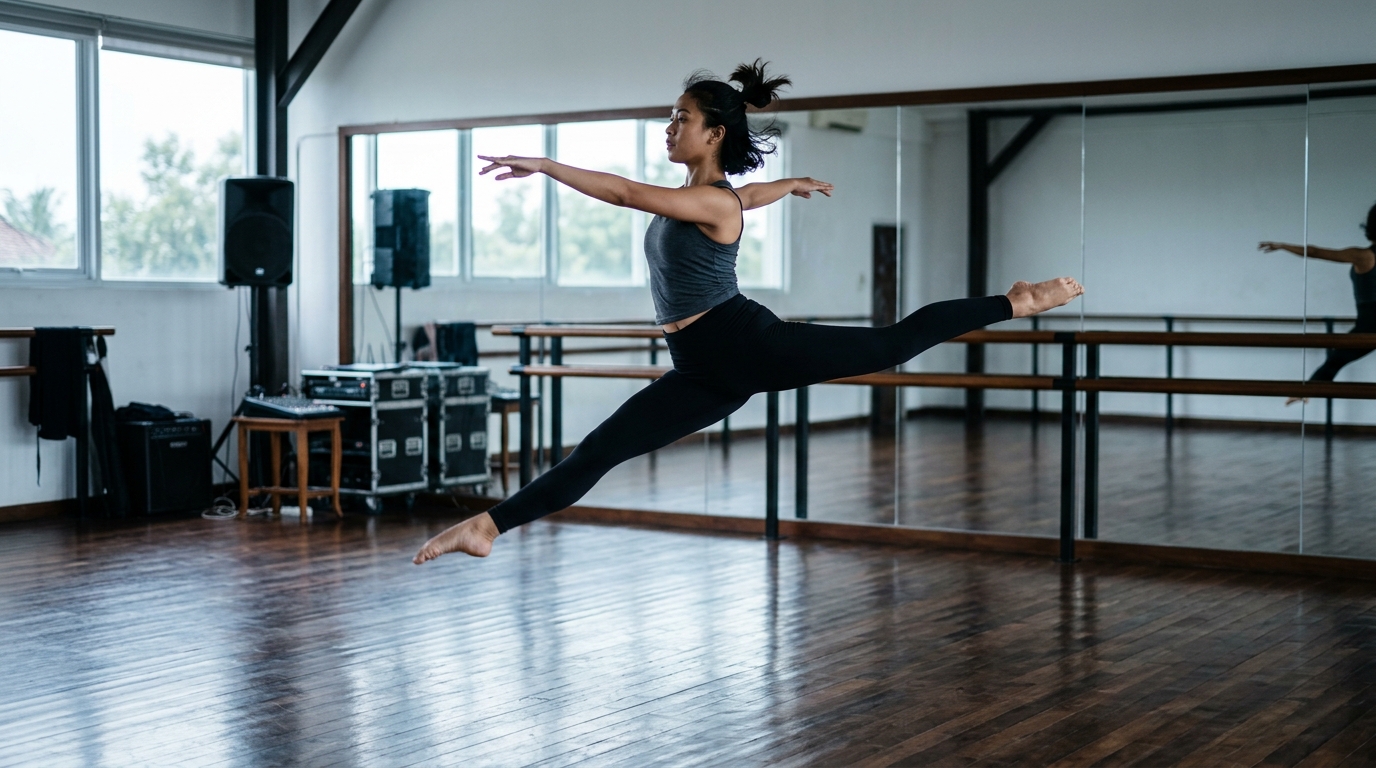
Bali has a well-developed dance scene, with studios spread across Seminyak, Canggu, Ubud, and Kuta offering everything from Balinese traditional dance to salsa, bachata, kizomba, hip-hop, contemporary, and aerial. Whether you are a visitor looking for a single class or a long-term resident building a weekly practice, understanding how studios structure their pricing will help you avoid overpaying or signing up for something that does not match your level.
Costs vary considerably based on studio location, class format, instructor background, and whether you buy drop-in sessions or multi-class cards. A beachside studio in Canggu running Latin socials three nights a week will price its classes differently to a Ubud studio focused on traditional Balinese dance with certified teachers. Getting the right picture means looking at more than just the headline per-class rate.
What Do Dance Studios Cost in Bali?
Drop-in rates at most Bali dance studios sit between USD $8 and $15 per class for standard group sessions. This covers styles including salsa, bachata, kizomba, contemporary, and yoga-dance fusion, which are among the most commonly offered formats. Community classes run by smaller studios or local teachers can come in lower, sometimes around IDR 100,000–150,000 (roughly USD $6–$10), particularly for regular weekly sessions aimed at residents rather than tourists.
Multi-class cards offer better value for anyone staying in Bali for more than a few weeks. A 10-class card typically runs USD $76–$77, a 20-class card sits at USD $144–$145, and a 30-class card lands around USD $213–$215. Private one-on-one tuition is priced separately and generally starts at USD $40–$60 per hour, rising to USD $80–$120 per hour for instructors with international competition or performance backgrounds. Intensive programmes combining multiple styles across a week or weekend are also available, usually priced from USD $150 upward depending on hours and included styles.
Price Breakdown by Service Level
| Service Level | What You Get | Typical Price Range | Best For |
|---|---|---|---|
| Basic / Drop-in | Single group class, open to all levels, no commitment required | USD $8–$15 per class | Tourists, first-timers, or those testing a studio before committing |
| Standard (Class Card) | 10–20 class card, valid across multiple styles or sessions, some flexibility on expiry | USD $76–$145 | Short-term residents, regular visitors, intermediate students building consistency |
| Premium (Larger Card or Mixed Programme) | 20–30 class card, access to workshops, Latin socials, or mixed style bundles including salsa, bachata, and kizomba | USD $145–$215 | Committed dancers wanting variety, expats on multi-month stays |
| Private or Intensive | One-on-one instruction, choreography sessions, intensive weekend or week-long programmes with teacher assessment | USD $40–$120 per hour; USD $150–$400+ for intensives | Dancers preparing for performance, those requiring assessment before joining an intermediate class directly |
What Affects the Cost of Dance Studios in Bali?
Studio location
Studios operating in Canggu and Seminyak cater heavily to expats and tourists and tend to price accordingly. Ubud studios vary more widely, with some focusing on cultural programming at accessible rates and others targeting wellness retreat visitors at premium prices. Local community classes in residential areas of Denpasar or Sanur are consistently cheaper.
Instructor credentials and origin
A teacher trained locally and running weekly salsa, bachata, or kizomba community classes will charge less than an internationally certified instructor who has competed or performed abroad. Some studios bring in guest instructors for workshops, which adds to the per-session cost. If teacher assessment is required before joining an intermediate class directly, that assessment session may carry its own fee, typically USD $15–$25.
Class size and format
Large open group classes cost less per person. Smaller format classes with a cap of eight to twelve students allow more individual attention and are priced higher, often USD $18–$25 per session. Intensive community classes that run over multiple days compress the value and are usually bundled rather than charged per class.
Style and specialisation
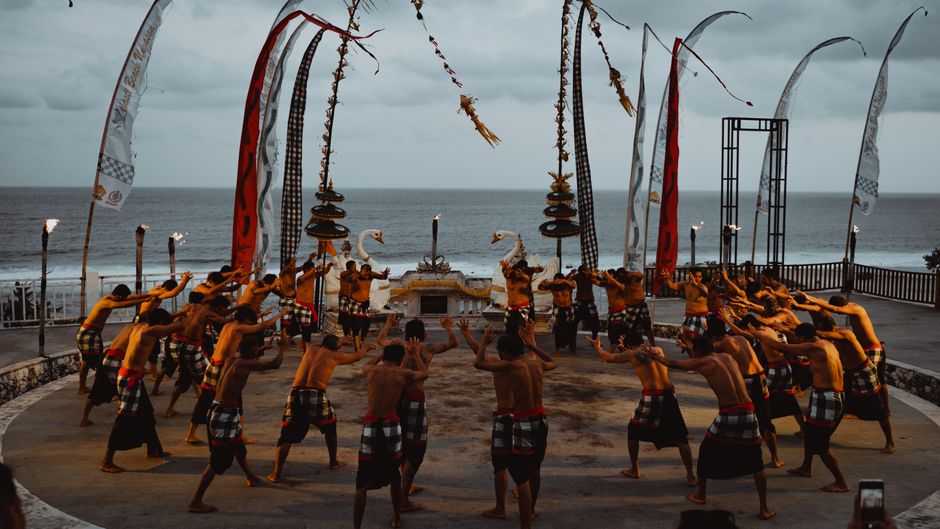
Balinese traditional dance instruction, particularly with a certified cultural teacher, often carries a different pricing structure to contemporary or Latin styles. Some studios charge a premium for styles with lower class frequency, such as kizomba or West African dance, where finding specialist instruction is harder across the island.
Card validity and flexibility
A cheap 10-class card that expires in 30 days may cost you more in the end if you cannot use all sessions. Studios that offer longer expiry windows or allow card sharing between partners charge slightly more upfront but deliver better practical value for irregular schedules.
How to Get Accurate Quotes
- Contact studios directly via Instagram DM or WhatsApp, as most Bali studios list pricing on social media rather than maintaining updated websites. Ask specifically about current 2026 rates, as prices often adjust at the start of the year.
- Clarify what styles are included in a class card. Some cards cover all styles on the timetable; others restrict access to specific formats. A card covering only one style is worth less if your schedule changes.
- Ask whether a teacher assessment is required before joining intermediate or advanced classes. Some studios require this as standard, and the associated session may carry a separate cost.
- Check expiry dates and transfer policies on class cards before purchasing. A 30-class card at USD $215 only represents good value if you have enough time in Bali to use it.
- Attend a drop-in session first. Most studios allow this without commitment, giving you a clear read on the instructor’s teaching style, studio condition, and whether the level matches your experience before spending on a card.
Red Flags to Watch Out For
- No clear pricing published and strong resistance to giving figures before you visit. Reputable studios are transparent about their rates.
- Class cards with expiry dates shorter than four weeks for packages of 20 or more sessions, making it practically impossible to use the full value.
- Studios that place beginners directly into intermediate or advanced classes without any assessment, particularly for partner dances like salsa, bachata, or kizomba where level gaps affect everyone in the room.
- Instructors with no verifiable background, no class structure, and no progression between sessions. Especially relevant if you are paying premium rates for private tuition.
- Prices significantly below the market rate (under USD $5 per class for a studio session) without a clear reason such as a community subsidy or introductory offer. This often reflects unqualified instruction or badly maintained facilities.
- No refund or freeze policy on class cards if you need to leave Bali unexpectedly. Reputable studios offer at least a partial freeze option.

Frequently Asked Questions
How much do dance studios cost in Bali on average?
A single drop-in group class averages USD $8–$15. A 10-class card runs approximately USD $76–$77, while a 20-class card sits around USD $144–$145. Private instruction starts at USD $40 per hour and rises depending on the instructor’s background and the style being taught.
Why are some dance studios prices so much cheaper?
Community-run classes or those taught by local instructors without international training are priced lower to reflect the target audience, typically long-term residents rather than short-stay visitors. Lower prices can also reflect smaller or less-equipped studio spaces, shorter class durations, or less structured curriculum. This is not always a problem, but it is worth knowing what you are paying for before committing to a card.
Is it worth paying more for dance studios in Bali?
For serious students, yes. A studio with certified instructors, a structured timetable covering weekly salsa, bachata, and kizomba sessions, access to socials, and a clear progression pathway from beginner through to intermediate delivers measurable improvement. If you are visiting for a week and want a fun experience, the drop-in rate at any mid-range studio is reasonable value. If you are staying longer and want real skill development, the investment in a 20 or 30-class card at a quality studio pays back quickly.
Bali’s dance studio market in 2026 offers genuine variety at prices that compare well to most other cities in the region. Knowing the standard rate ranges, asking the right questions before you buy, and attending at least one drop-in session before committing to a card will help you get good value regardless of your budget or experience level.