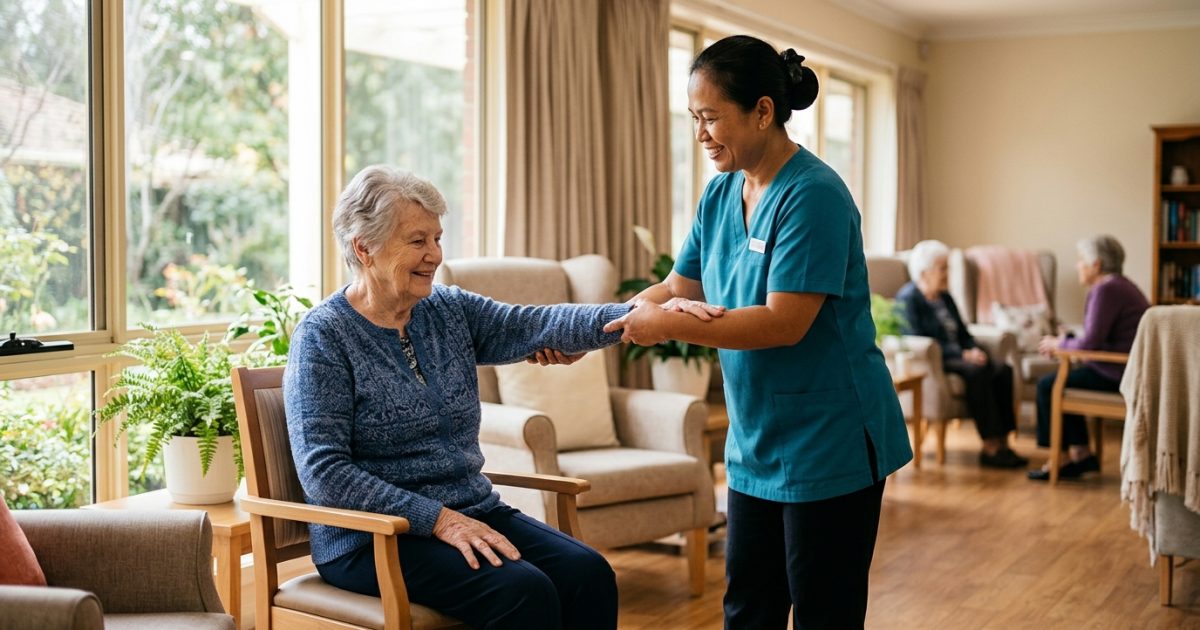
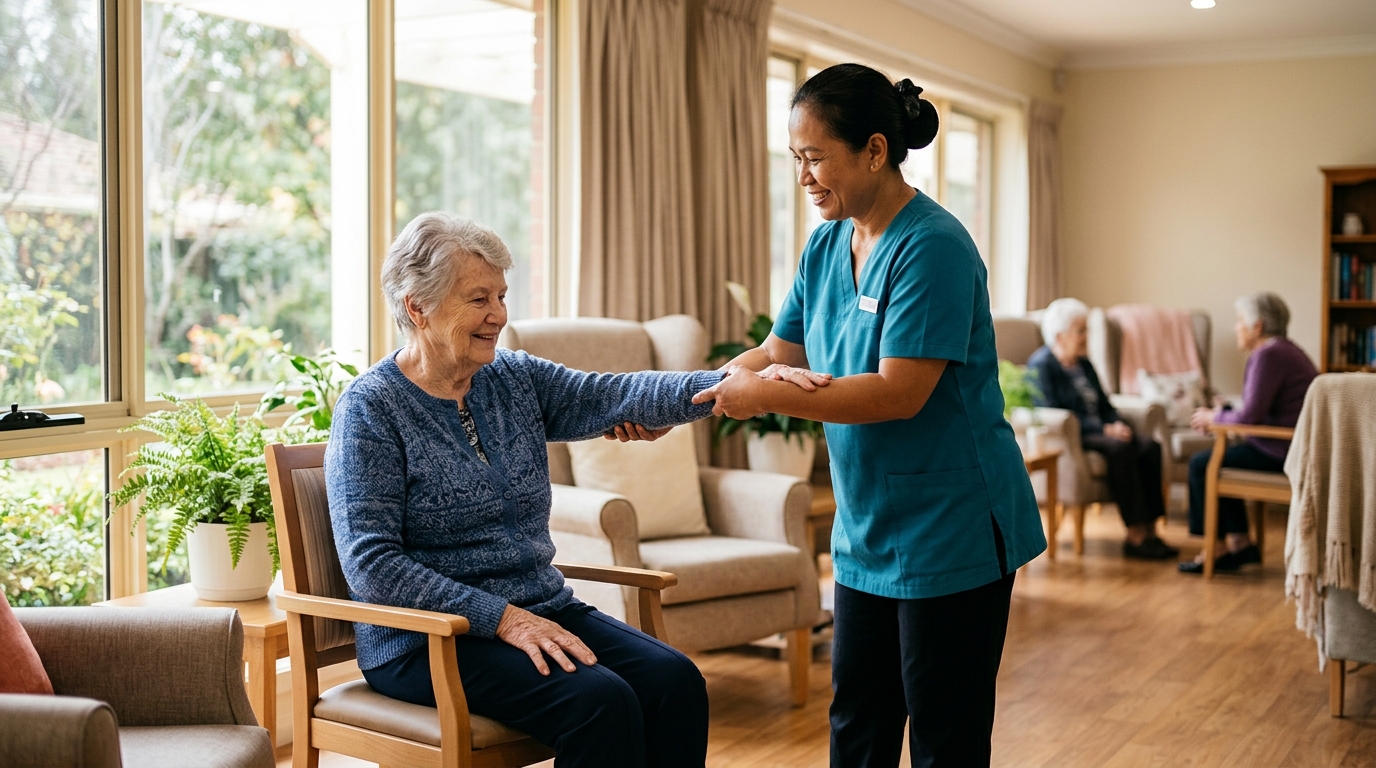
Quick price summary: Aged Care Facilities in Bali (2026)
- Low end: USD $800 – $1,200 per month
- Mid-range: USD $1,500 – $2,200 per month
- High end / enterprise: USD $2,800 – $4,500+ per month
Prices in USD (widely used for aged care billing in Bali). Last updated 2026.
Aged care facilities in Bali cover a broad spectrum of residential services for older adults, ranging from assisted living with light support through to full-time residential care with clinical nursing, dementia programmes, and rehabilitation services. The facilities operating in Bali today serve a mix of Indonesian families, expatriate retirees, and an increasing number of Australians who have found that comparable care quality costs significantly less than what they would pay at home. A facility that would cost AUD $6,000 or more per month in Sydney can often be matched in standard by a well-run Bali alternative at roughly one-third of that figure.
Costs vary considerably depending on the level of care required, the resident’s medical and cognitive needs, the facility’s location within Bali, the style of accommodation, and whether specialist services such as dementia care or post-hospital rehabilitation are included. Understanding these differences before committing to a placement saves families from unexpected fees and helps match care needs to the right service level from the outset.
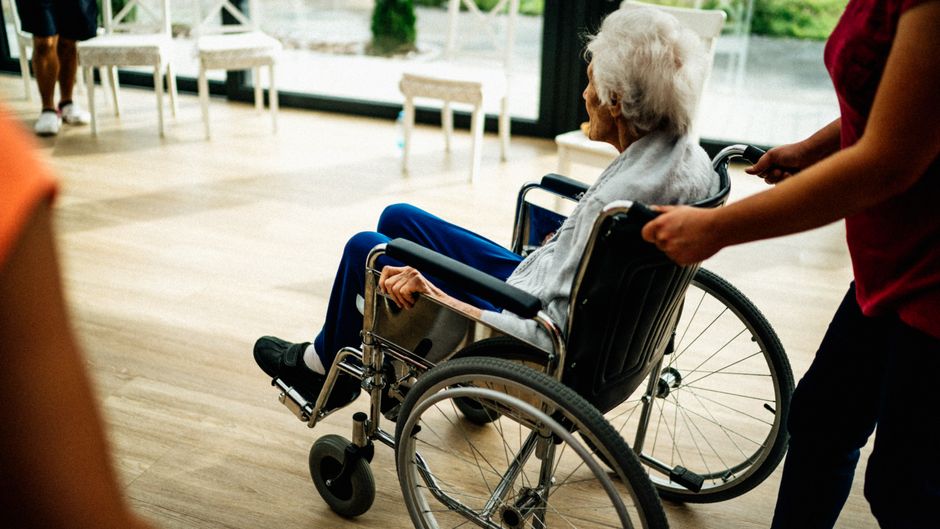
What Do Aged Care Facilities Cost in Bali?
Entry-level assisted living in Bali, covering shared or semi-private accommodation with daily meals, personal care assistance, and group activities, generally runs between USD $800 and $1,200 per month. These options suit seniors who are largely independent but benefit from structured support for daily living tasks. Mid-range facilities, which typically offer private rooms, a higher staff-to-resident ratio, organised social programmes, and on-call nursing, sit between USD $1,500 and $2,200 per month. This price bracket includes several well-regarded facilities along the Teuku Umar corridor in Denpasar and around the Saba and Sanur areas.
Premium and full residential care facilities, including those offering dedicated dementia wings, 24-hour clinical nursing, physiotherapy, and amenities such as pool access, landscaped outdoor areas, and modern lounges, range from USD $2,800 to $4,500 per month. Facilities drawing on Nordic-inspired care models, such as those with a Finnish-influenced approach to resident well-being and cognitive engagement, tend to sit at the upper end of this range. Families comparing Bali options with Australian residential aged care fees will find the savings substantial, with Australian government-regulated facilities often charging AUD $3,500 to $7,000 per month before means-tested additional fees.
Price Breakdown by Service Level
| Service Level | What You Get | Typical Price Range | Best For |
|---|---|---|---|
| Basic Assisted Living | Shared or semi-private room, meals, basic personal care, group activities, safety supervision | USD $800 – $1,200/month | Seniors who are mostly independent and need light daily support |
| Standard Residential Care | Private room, meals, on-call nursing, scheduled activities, family communication support, allied health access | USD $1,500 – $2,200/month | Seniors needing moderate assistance with daily living and some medical oversight |
| Premium Full Care | Private ensuite room, 24-hour nursing, physiotherapy, dementia-focused programmes, social interaction activities, outdoor and lounge areas | USD $2,800 – $3,500/month | Residents with complex health needs, post-rehabilitation stays, or early to mid-stage dementia |
| High-End Specialist Care | All premium inclusions plus dedicated dementia wing, clinical dementia care, cognitive activity programmes, international-standard medical access, technology-assisted monitoring | USD $3,500 – $4,500+/month | Advanced dementia, high dependency residents, families seeking international-standard care in Bali |

What Affects the Cost of Aged Care Facilities in Bali?
Level of care required
The single biggest cost driver is how much clinical and personal support a resident needs each day. Seniors who require assistance only with tasks like bathing, dressing, and medication reminders cost far less to support than those living with advanced dementia, mobility impairment, or complex medical conditions requiring regular nursing assessments. Facilities conduct an initial assessment before confirming a placement fee, and costs can increase as needs evolve over time.
Dementia and cognitive care programmes
Dedicated dementia care commands a premium in Bali, as it does globally. Facilities offering structured dementia-focused programmes, including science-backed approaches to managing sundowning, cognitive stimulation activities, and specially trained caregivers, charge between USD $500 and $1,200 more per month than standard residential rates. The quality difference between a facility with genuine dementia expertise and one that simply accepts dementia residents without a defined programme is significant and worth investigating thoroughly before placement.
Location within Bali
Facilities in central Denpasar, particularly along busy corridors such as Teuku Umar, tend to price lower than those in coastal or resort-adjacent areas like Saba, Sanur, or Seminyak. Properties in quieter, green surroundings with tropical garden settings and outdoor spaces typically carry a 15 to 25 per cent premium over city-centre equivalents, partly due to land costs and partly because the environment itself is considered part of the care offering.
Facility ownership and care philosophy
Bali’s aged care sector includes locally owned Indonesian facilities, joint-venture operations, and internationally affiliated providers drawing on Nordic, Australian, or Philippine eldercare models. Internationally affiliated facilities with rigorous staff training standards, imported clinical governance frameworks, and regular external reviews generally charge more than locally operated homes. The care philosophy matters practically: relationship-based, person-centred models that assign consistent caregivers to individual residents tend to produce better outcomes but require higher staffing ratios, which increases cost.
Accommodation type and inclusions
A shared room in a basic facility will cost considerably less than a private ensuite in a premium home. Beyond the room itself, costs vary based on what is bundled into the monthly fee. Some facilities quote a base fee that excludes meals, specialist consultations, physiotherapy, transport to hospital appointments, and incontinence supplies. Others provide fully inclusive pricing. Always confirm exactly what is and is not covered before comparing quotes.
How to Get Accurate Quotes
- Request a detailed written fee schedule from each facility, specifying what is included in the base monthly fee and what is billed additionally. Ask for a sample monthly invoice from a current resident at the care level you are considering.
- Arrange a comprehensive care needs assessment with the facility’s clinical staff before confirming pricing. Costs quoted before an assessment is completed are often revised upward once the resident’s actual support requirements are clear.
- Visit the facility in person if at all possible, or arrange a video tour with a family member currently based in Bali. Speak directly with senior caregivers, not only with admissions staff, to understand staffing ratios and daily routines.
- Ask the facility how fees are structured if care needs increase. A resident placed at the standard level who later requires full dementia care should understand what that transition costs before committing to the initial placement.
- Contact two or three facilities in your preferred area and compare quotes side by side using a standardised checklist. Facilities around the Saba and Teuku Umar areas currently represent the broadest range of price points, making direct comparison practical.
Red Flags to Watch Out For
- Facilities that quote a single flat monthly fee without specifying what is and is not included. Hidden charges for meals, laundry, medication management, and specialist visits can add USD $300 to $600 per month to a headline price.
- No formal care assessment process before admission. Reputable facilities always assess the incoming resident’s physical, cognitive, and emotional needs before confirming a placement and fee level.
- Unusually low pricing well below USD $800 per month for residential care with nursing. At this price point, staffing levels and clinical oversight are almost certainly inadequate for anyone with more than minimal care needs.
- Vague answers about staff training, caregiver qualifications, and what happens when a resident requires urgent hospital access. Quality facilities have clear protocols for medical emergencies and established relationships with nearby international-standard hospitals.
- No dedicated programme for residents living with dementia. Facilities that accept dementia residents without specialist staff training, structured activities, or a defined approach to managing behavioural and cognitive changes present a genuine safety concern.
- Pressure to commit quickly or pay a large deposit before completing a tour, meeting care staff, or reviewing the contract with an independent adviser.
Frequently Asked Questions
How much do aged care facilities cost in Bali on average?
The average cost for residential aged care in Bali in 2026 sits around USD $1,500 to $2,200 per month for standard private care with nursing support included. Basic assisted living starts closer to USD $800 to $1,200 per month, while full residential care with specialist dementia programmes and premium facilities runs USD $2,800 to $4,500 per month. Costs vary depending on care level, location, and what is bundled into the monthly fee.
Why are some aged care facilities prices so much cheaper?
Lower-priced facilities in Bali typically operate with shared accommodation, higher resident-to-caregiver ratios, fewer allied health services, and more basic amenities. Some are locally owned and operated with lower overheads, which can still deliver adequate care for seniors with minimal needs. The concern arises when very low pricing reflects insufficient staffing, a lack of clinical governance, or the absence of any structured programme for residents with dementia or complex health conditions. Price alone is not a reliable indicator of quality in either direction.
Is it worth paying more for aged care facilities in Bali?
For residents with complex needs, including dementia, post-hospital rehabilitation requirements, or significant mobility challenges, paying for a higher-tier facility generally produces better daily outcomes and reduces the risk of preventable health deterioration. For largely independent seniors who simply want a safe, social living environment in a tropical setting, mid-range facilities represent strong value. Even at the premium end of the Bali market, costs remain well below comparable care in Australia, making the higher local price point reasonable for families seeking international-standard care.
Choosing aged care in Bali requires the same due diligence as any major long-term decision: a clear picture of what the resident needs now and what they are likely to need as their health evolves, a thorough comparison of fee structures rather than headline prices, and in-person or well-facilitated remote visits to assess the actual living environment and the quality of daily interaction between staff and residents. Families who take the time to research properly consistently find that Bali offers genuine quality at a price point that makes long-term residential care financially sustainable in a way that many other options simply do not.